Deprecated: Optional parameter $list declared before required parameter $submit_text is implicitly treated as a required parameter in /home/rcpwqhpx/public_html/wp-content/plugins/yikes-inc-easy-mailchimp-extender/public/helpers.php on line 14
News – Page 8 – Urbasofia

sub>urban – Reinventing the Fringe

Website

Facebook

Twitter


Recently, URBASOFIA team participated in a 2,5-day Field Trip to Marseille (France), together with the city of Baia Mare, aimed at providing insights into the local challenges and solutions regarding the urban renewal processes. City of Dusseldorf and the Metropolitan area were joining the trip as well. The aim of the trip was to go deeper into the certain topic of urban renovation and renewal which the cities share. During this meeting, the relevant experts on the topic were invited.

During the Field Trip, we have visit urban rehabilitation projects of the City of Marseille (being guided by Marseille Rénovation Urbaine), paying special attention to three different neighbourhoods:

BoostINNO – Boosting Social Innovation

Website

Facebook

In the period October – December 2017, there were organized three local activities in Baia Mare within the BoostINNO Urbact III project:

  • Picture/panel of the district aimed to encourage citizens to identify both the problems they face in neighbourhoods and to find viable solutions to them.
  • Two Boostino Talks events (18th of October and 20th of November) to promote social innovation concepts, examples of best practices, methods and means of active participation and involvement in community life. During these events, the main topic was social innovation through IT&C, a presentation held by a local keynote speaker – Sorin Pop.
  • Open ULG Forum (7th of December) aimed to discuss the results of BoostINNO activities and to define the main strategic elements, the pilot area for the Integrated Action Plan.

proGIreg – productive Green Infrastructure for post-industrial urban regeneration

Our latest proposal for the Horizon 2020 Programme has been approved, and is currently in the Grant Preparation stage!

Alongside 34 other partners, among which four front-runner cities (Dortmund (DE); Turin (IT); Zagreb (HR); Ningbo (CN)), we will work for the next five years establishing Living Labs in urban areas which face the challenge of post-industrial regeneration.

The proGIreg Living Labs will develop NBS (nature-based solutions), which are citizen-owned and co-developed by state, market and civil society stakeholders. Five follower cities in Eastern and Southern Europe (Cascais PT, Cluj-Napoca RO, Piraeus GR, Sofia BG, Zenica BA) will be co-steering the research process to assure replicability and adaptability to their local context resulting in urban plans for NBS deployment. The NBS to be tested i.a. include: regenerating industrial soils biotic compounds, creating community-based urban agriculture and aquaponics and making renatured river corridors accessible for local residents.

URBASOFIA will be leading the Spatial Analysis in front-runner and follower cities, guiding them in transposing socio-cultural inclusiveness, human health and well-being, ecological and environmental restoration and economic and labour market assessment domains at spatial-urban level. We will also assist Follower Cities in creating locally adapted urban plans for the implementation of innovative NBS.

The EU Research and Innovation policy agenda on Nature-Based Solutions and Re-Naturing Cities aims to position the EU as leader in ‘Innovating with nature’ for more sustainable and resilient societies – and proGIreg is leading this ambition, as one of the first Innovation Actions implementing the EU R&I agenda on NBS.

URBASOFIA is consequently very happy to take part in this initiative and to contribute its European knowledge on Urban and Regional planning towards implementing Living Labs in the EU’s most innovative cities!

Source: EC. EUROPA.EU

ATTRACTIVE DANUBE: 2nd National Workshop in Brașov, Romania

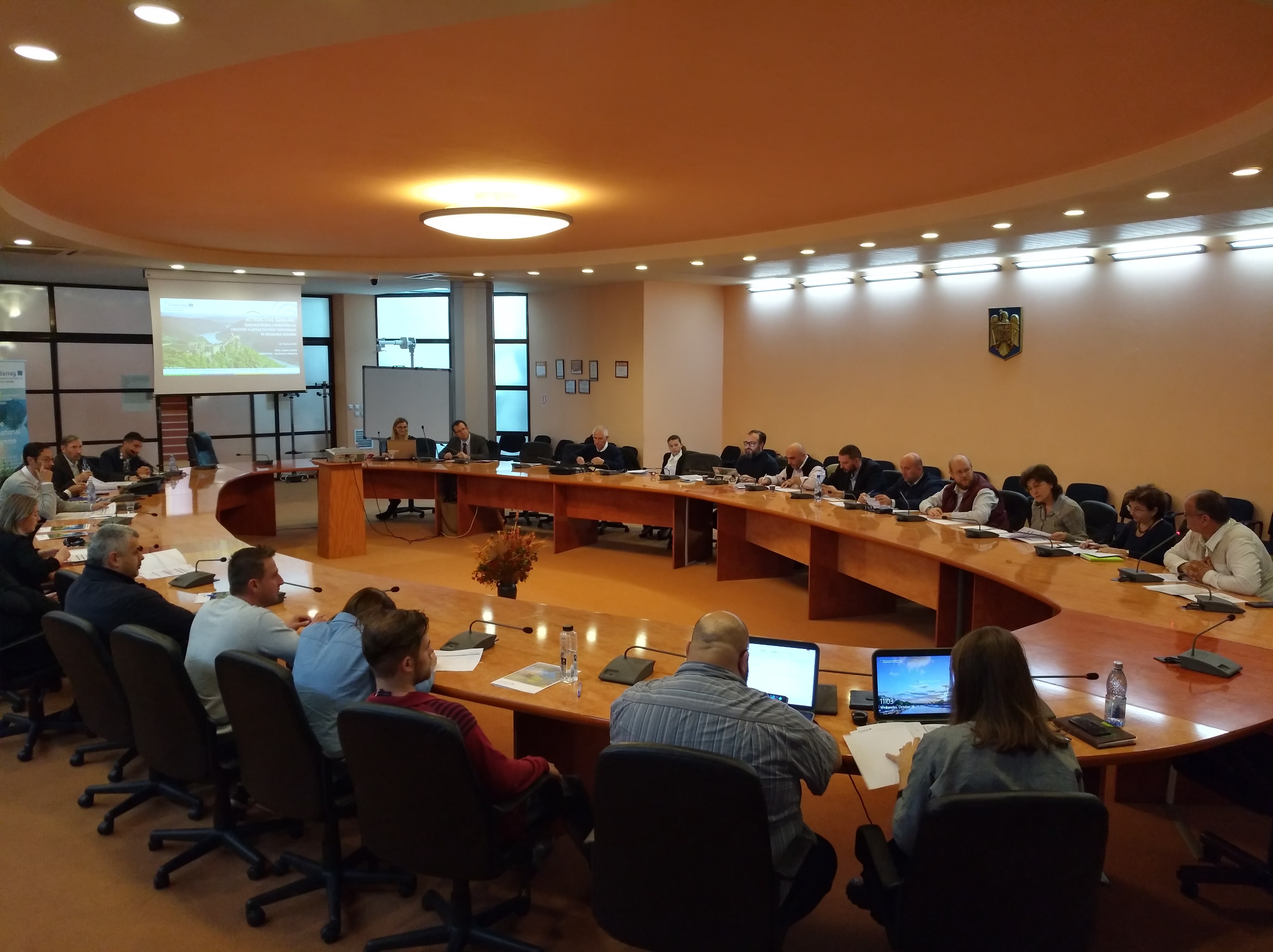
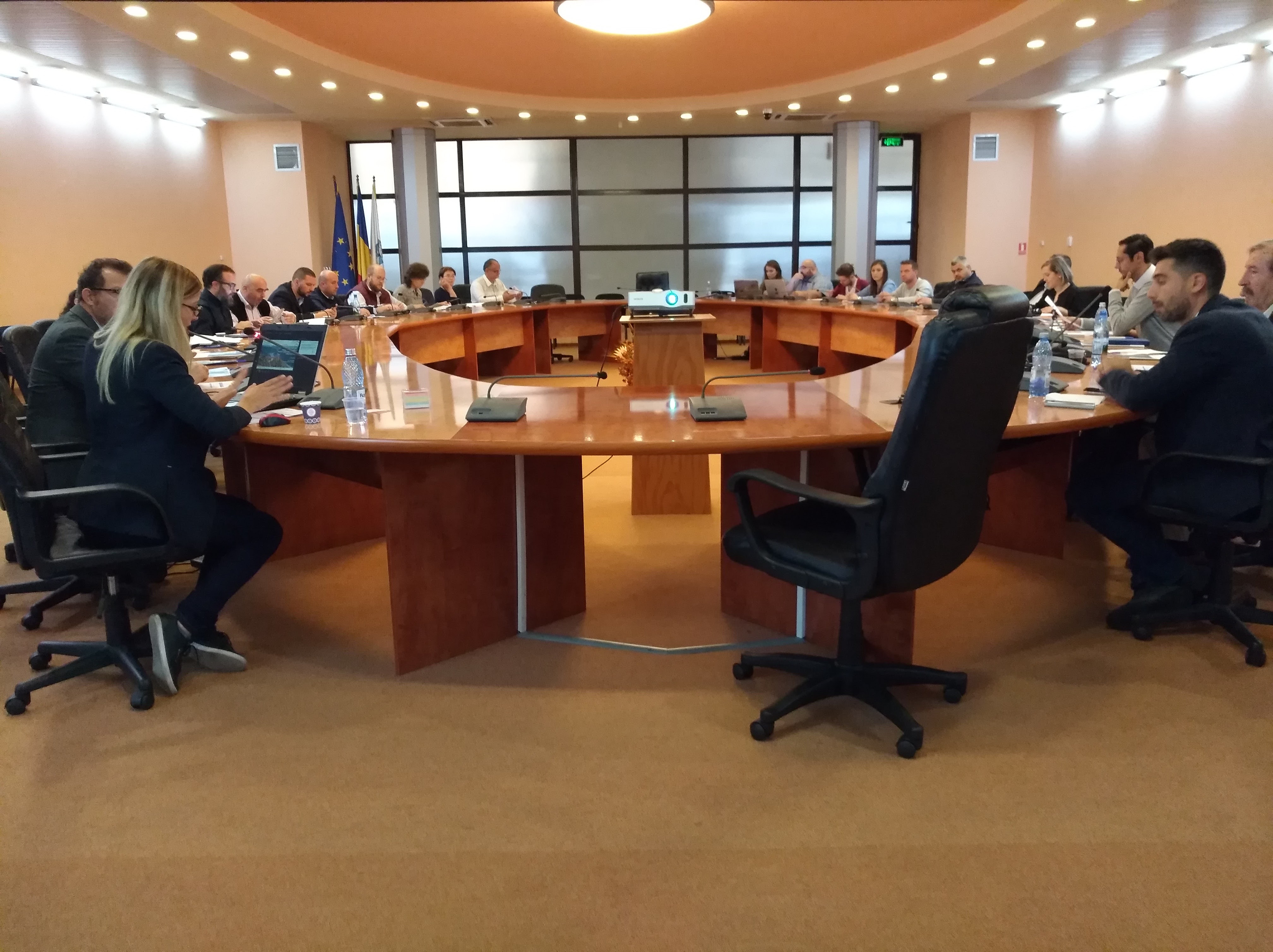
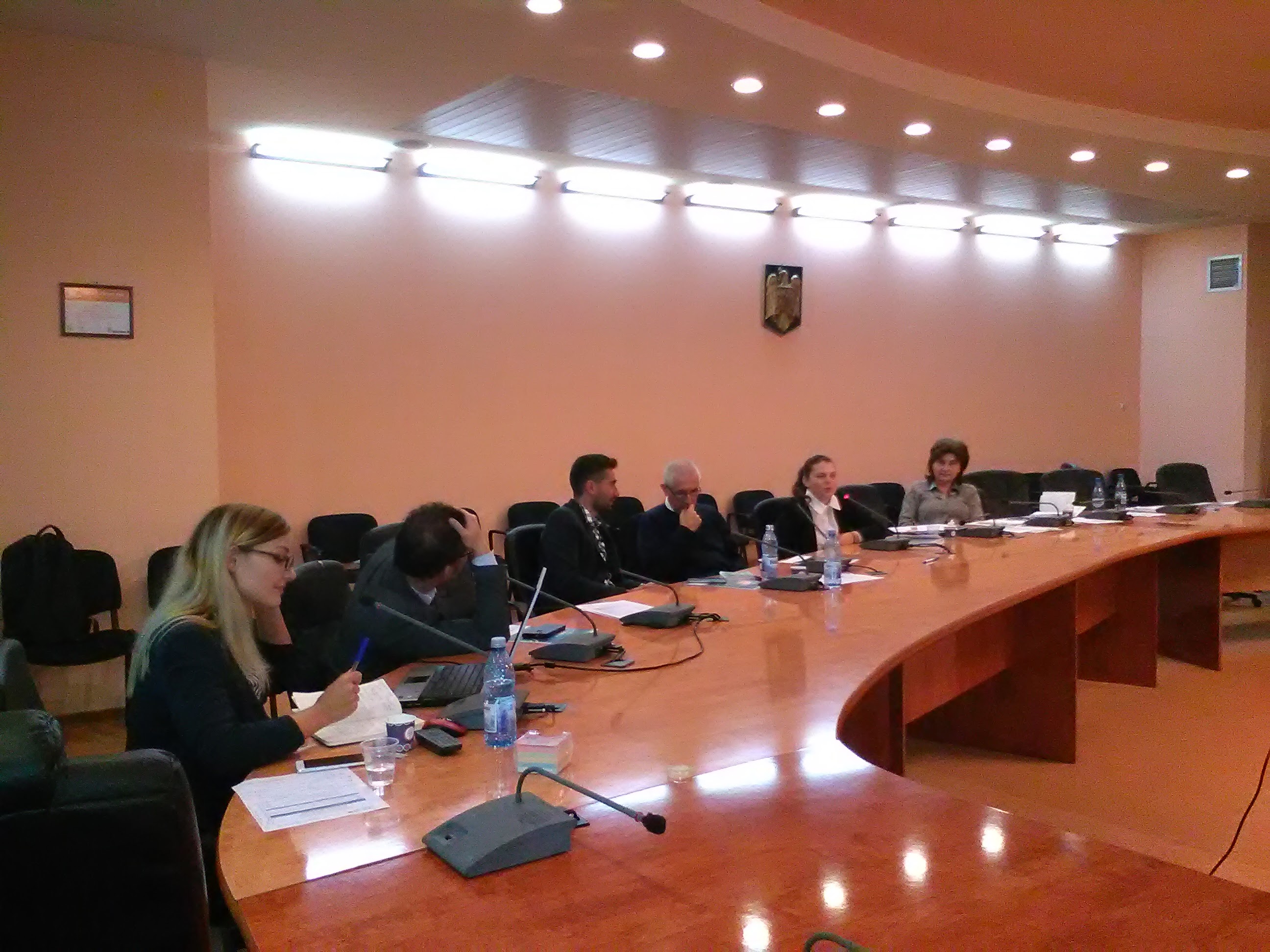
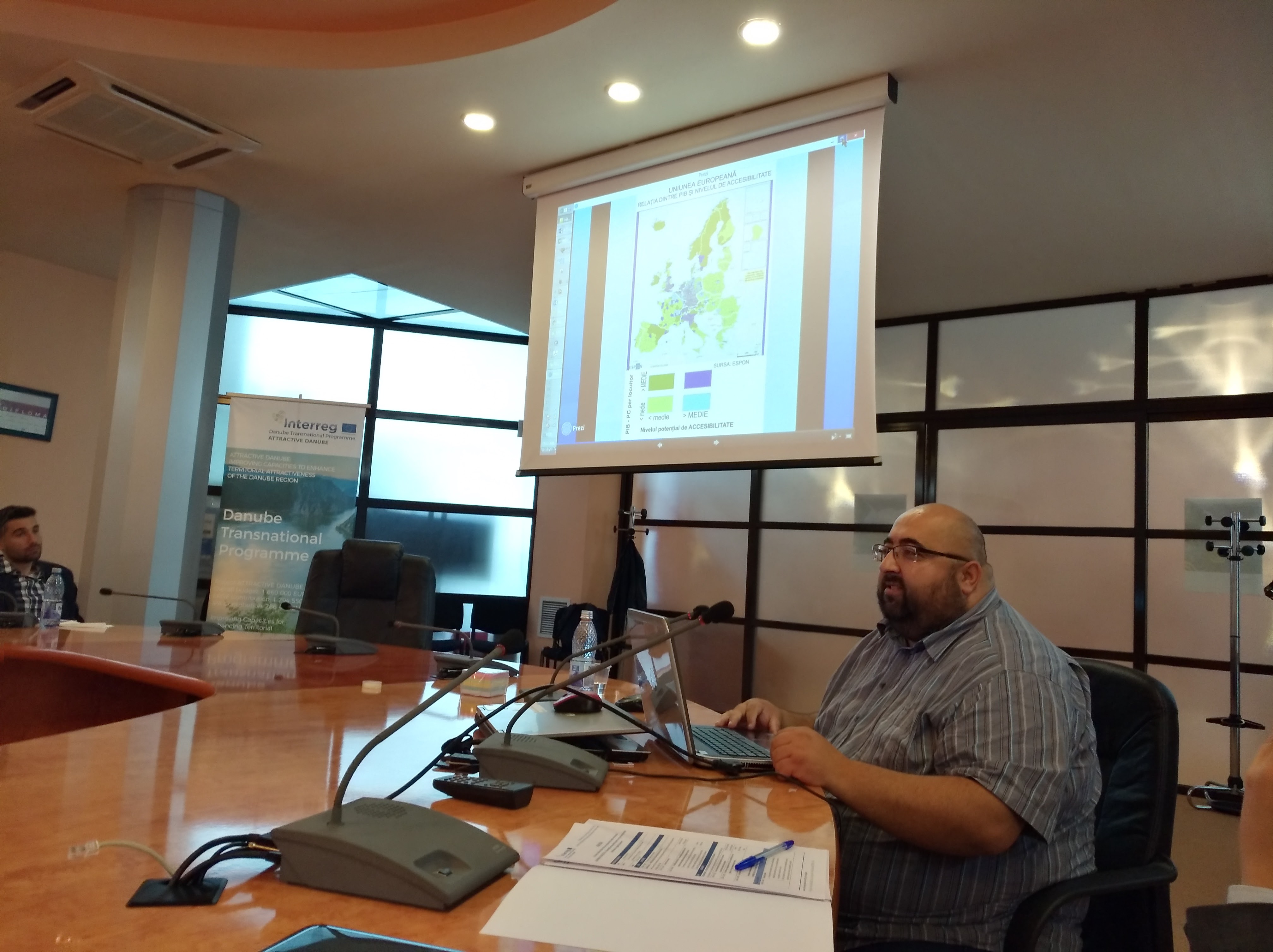
The second national Romanian „ATTRACTIVE DANUBE” workshop was organized by URBASOFIA on October 18th 2017, in Brașov, with the support of the Brasov Metropolitan Agency, Brasov City Hall and the CLUSTERO Association. The meeting was part of a suite of three such workshops under the ATTRACTIVE DANUBE project, aimed at jointly identifying the national-specific sets of indicators that can be used to monitor and assess attractiveness at different territorial levels. The first working meeting took place on 29 June 2017 in Bucharest and was organized at the Romanian Register of Urban Planners, aiming to open the dialogue with professionals, institutions and the central administrative level. Following this discussion, the meeting on 18 October was organized in order to bring the discussion closer to local problems, solutions and specificities, but also regional-specific traits in Romania.

FULL MINUTES IN ROMANIAN: [LINK]

PRESENTATION PACK COMING SOON!

With 30 participants from the public administration (Regional Agency for the Center Region, Brașov County Council, Brașov Metropolitan Agency, Municipalities of Brașov, Codlea, Săcele, the City of Râșnov, Vulcan Commune), Local Action Groups (LAG Ținutul Bârsei), Clusters and incubators (Technology and Innovation Cluster, Green Energy Cluster, the Association of Romanian Incubators and Business Centers, CLUSTERO) as well as professional associations (Romanian Architects’ Union, Romanian Scientists’ Academy), the meeting was a success – both in what concerns reaching to the root of many national/regional development barriers as well as addressing potential ways to assess, change and monitor these problems.

The meeting aimed at generating an open discussion on the following three topics:

  1. Key territorial capital components in Romania and modalities of quantification: What are the national and regional specifics in our country?
  2. Data, indicators and information: What are the needs (data, indicators, capacity, platforms) in the territorial planning process?
  3. Can a specific set of indicators for territorial attractiveness (available and concrete), be identified, and can that be an operational tool for measuring and monitoring the Romanian territorial attractiveness in the context of the Danube Region?

The 5-hour meeting was productive – many important local needs and specific territorial traits at regional and national level have been analyzed, and the participants identified and ranked based on importance a first set of territorial attractiveness indicator categories. These indicators will complement the 22 general ATTRACT-SEE indicators previously developed, on which the ATTRACTIVE DANUBE project relies.

We would like to thank all participants for their active involvement and their input! In February 2018, the third workshop at the national level will be organized, and we will announce its location soon. But until then, this is our to-do list:

  1. Expanding the working group at Romanian level with the relevant actors / institutions involved in substantiating and elaborating Romania’s planning and territorial development policies, and informing them about the Attractive Danube Project;
  2. Drafting the extensive list of attractiveness indicators, which will be shared with the participants and other relevant stakeholders at central, regional and local level in Romania, in order to gather  additions / positions and to continue the dialogue in the preparation of the third workshop.

Stay tuned and follow ATTRACTIVE DANUBE on: Facebook | Twitter | DTP Website 

Attractive Danube in the REAL CORP2017

This year’s REAL CORP proposed a challenging theme: Panta Rhei – a World in Constant Motion. In their own words, mobility is a multifaceted topic with a complex past development, so how can we use today’s knowledge and techniques to shape the forward-looking mobility of tomorrow?

There have been a plethora of interesting presentation in the three-day conference. But, while most of them focused on the technological and town planning aspects of mobility, we wanted to tackle mobility as a macro-trend: the slow depopulation of the Danube Region and the south east of Europe, through outmigration and falling fertility rates. A challenge like no other, which we propose to tackle through the ATTRACTIVE DANUBE project:


UIA Pozzuoli: 1st Expert Visit in Monterusciello

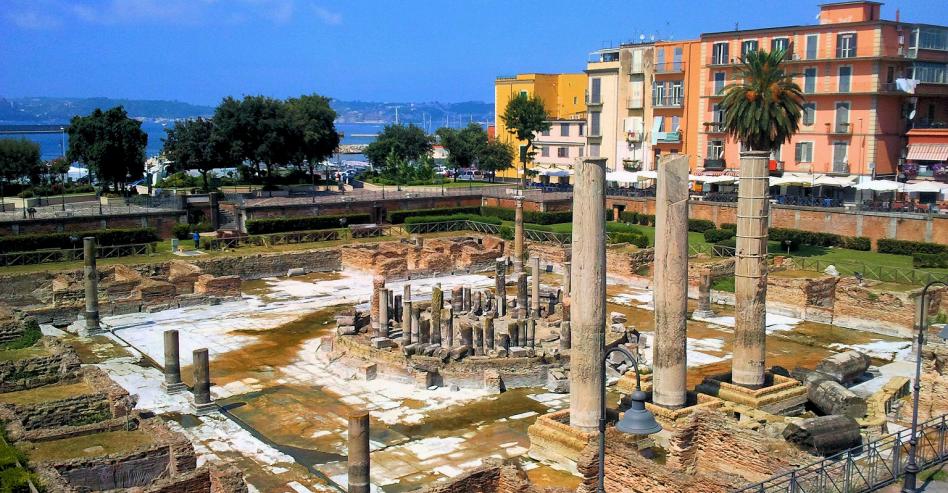
URBASOFIA is pleased to report on a very interesting Study Visit in Pozzuoli, for the implementation of the project “Monterusciello Agro City – MAC”, organized by UIA Expert Dr. Pietro Elisei in collaboration with the municipal administration of Pozzuoli.

The MAC project seeks to reduce urban poverty in the neighborhood of Monteruscello, where poverty is understood in the social and economic sense and within the physical environment. The proposal is designed to trigger a process of economic, entrepreneurial, and social development, together with the improving of the urban environment. Monteruscello is a new large public housing district with 20,000 residents with low-income, a high level of unemployment, and characterised by large unused spaces. Problematic social conditions are combined with a difficult urban environment, in particular for the character of emptiness, anonymity, and decay of the common spaces.

Through the prestigious flagship European Programme UIA – Urban Innovative Actions, 30 hectares of Municipal open areas will be transformed into farmland, developed with the innovative techniques of permaculture in order to spearhead an economic process and urban growth as a means to combat poverty. The project will have three pillars: implementation of agriculture through innovative permaculture; improvement of the urban environment; and encouragement of entrepreneurship and employment. Read more about the project here.

An Urban Walk was organized in the morning, where the project partnership and important local stakeholders discovered the territory and addressed the main challenges of sustainably redeveloping the large unused urban areas into permacultural plots and connected facilities, including local km 0 markets and community spaces.
The discussion continued at the headquarters of the Civil Protection Center in Pozzuoli (Via Elio Vittorini, 1 – Monterusciello),with a meeting and debate involving the mayor Vincenzo Figliolia, Fiorella Zabatta (Environment) Roberto Gerundo (Territoral Government), Director of EU Projects for Urbasofia Sabina Leopa, URBACT Expert Paola Amato, Regional Adviser for Agriculture and Forestry of the Campania Region Franco Alfieri, Representative of the Managing Unit Protection of the Quality of Agricultural Products Maria Passari. The end session consisted of an open debate regarding the most pressing challenges faced by the Monterusciello neighborhood, and included diverse perspectives of the project stakeholders, ranging from university experts, agriculture associations, the city hall, to training experts.

Below, you may find the presentations of Dr. Elisei and Sabina Leopa held during the event. We will return soon with more details on the outcomes of this first event, but in the meantime, we invite you to keep updated via the Monterusciello Agro City (MAC) Pozzuoli Facebook Page!

Bottom-up Urban requalification

Urbasofia together with UHS Pro Business organised an event (26th of June 2017 in Bucharest) called “Bottom-up Urban requalification” Bucharest and Palermo: Comparing two realities. The main thematic of the event was concerned about how the influences of the history have changed the way to live in these two cities and the common spaces today. The discussion topics were the following:

  • How our cities were affected by history;
  • Requalification of public space: first step in order to create a more liveability environment;
  • Historical market of Ballarò, where local and foreign people work together;
  • Young Placemakers Initiative: a project designed to revitalize four public spaces through creative interventions;

The topics mentioned above were presented by Costin Lianu, General Director USH Pro Business, Martina Costa, graduated in Political Science at Palermo University (Italy), she is doing a traineeship at Ush Pro Business, Sabina Dimitriu, Urban and Regional Planner, she is focused on development strategies at city and metropolitan area levels at Urbasofia, Emilia Maria Duda, architecture and Associate Professor at Spiru Haret University Bucharest, Faculty of Architecture and by Fausto Melluso, member of  SoS Ballarò – Palermo.

Editorial

Editorial by Miruna Drăghia


URBASOFIA has visibly grown during the last years and it is a great opportunity to be part of this phenomenon. It is a stimulating and creative environment which motivates and encourages young planners to take one step forward into professional life. Vast international expertise, past experiences and  fresh ideas are capitalising within our newest on-going projects: ROCK (Regeneration and Optimisation of Cultural heritage in creative and Knowledge cities, financed through H2020 Programme) and ATTRACTIVE DANUBE (Strengthening Capacities to Enhance Territorial Attractiveness of the Danube Region, financed under the 1st call of Danube Transnational Programme).
 
2017 started highly promising for us, as we have been very active in writing proposals and we successfully managed to deliver one proposal under UIA call: CENTAUR (Circular Economy Led Territorial and Urban Regeneration) and two proposals under Danube Transnational Programme, 2nd call: AGORA (Advancing innovative coGeneration Options for Revitalising local Areas) and ISTER (ConnectIng hiSTorical Danube rEgions Roman routes).
 
In the time of an invisible crisis regarding the future of the European Union (according to the White Paper released by the European Commission during the 60th anniversary of the Treaties of Rome), as well as the growing number of common challenges shared by European cities, there is an emergent need for cities to collaborate and exchange practices, instruments and knowledge. As a consequence, the necessity for a powerful territorial governance (both multi-actor and multi-level) has become self-evident. In this context, URBASOFIA is delighted to offer its expertise and to bring its experiences in bridging the gap between key actors in urban and territorial planning all over Europe. Endorsed by high-level expertise and supported by a well-founded network of partners and collaborators, URBASOFIA is struggling to set the basis for an innovative approach towards strategic planning and policy-making in Romania, acting actively also in the European market.
 
Led by pressing urban and territorial issues and guided by our latest successful results, it is in our greatest ambition to take URBASOFIA even one step forward and establish a dynamic and contemporary network of cities, regions and key actors based on an inter-change dialogue and trans-scale cooperation.
 

I would like to invite you all to take a look at our latest project, events and collaborations!
 

Miruna DRAGHIA,
Urban Planner @URBASOFIA
July 2017

SHORT CONSIDERATION ON URBASOFIA MIDSUMMER NL

The URBASOFIA mid-summer newsletter, as usual, summarizes the main relevant activities of the first part of the year. We continue to put all our creativity in what we propose and we do, the current political and governance context, both European and Romanian, is not in favour of having a  “pensiero positivo” (optimistic attitude). Despite a not favourable context, we cannot change our nature and continue to propose, with the due enthusiasm, ideas and projects for sustainable, concrete and coherent development. This issue is evidencing:

  1. the importance of the “local dimension” and the strength of organized, active and “content based” citizenship (special thanks to Daniela Ciaffi for contributing to our NL);
  2. the importance of heritage (cultural, natural…) in driving process of urban regeneration (the new ROCK Project (H2020, www.Rockproject.eu) is a great stage for Urbasofia and a great opportunity to design and propose an implementation methodology for very important cities (Cluj, Eindhoven, Liverpool, Athena, Torino, Lion, Vilnius).
  3. Finally, our relevant effort in the Danube Macro-Region and its development strategy, one project running on territorial competitiveness, attractiveness (ATTRACTIVE DANUBE) two proposals delivered (AGORA, on social innovative instruments for local development, and ISTER, again cultural heritage as driver for integrated development based on local partnerships and dialogue).

More details in the editorial, this time prepared by Miruna Draghia.

As you see, our answer to the many political uncertainties and to the inertia created by infinite and useless control, formal procedures and delays of public bodies,  is made of ideas and “profound engagement” towards promoting/shaping occasions and contexts for improving the quality of our territory.
Basically and simply, improving our quality of life and the capability of our Romanian, European cities to be competitive.
Many other inputs are in this NL, please, enjoy the reading and send us your feedback, we need it!

Thank you for being interested in what we design!

Pietro Elisei

URBASOFIA director

July 2017


CENTAUR (UIA) – project proposal


The team of URBASOFIA designed and submitted one project proposal entitled CENTAUR under the Urban Innovative Actions (UIA) programme, which has the thematic of Circular Economy (CE), as a driving force for urban and territorial evolutionary change. CENTAUR reflects the territorial and urban process that sets the basis for the Urban Regeneration (UR) through CE of Siena’s UNESCO area. It realizes outdoor and indoor regenerative works composed of vertical gardens, developed through a new process of locally recycled and re-used aluminium and plastic waste. Through the use of advanced tools for community, industry and territorial stakeholders’ involvement, the project breaks current fragmentation in the adoption of CE and launches a replicable policy for creating a competitive and sustainable economic frame both for productive sectors and urban welfare.

Furthermore, Dr. Ing. Pietro Elisei  (General Director of URBASOFIA) participates as UIA expert in another UIA project called MAC – Monteruscello Agro City, Pozzuoli, Italy. The project seeks to reduce urban poverty in the neighbourhood of Monteruscello, where poverty is understood in the social and economic sense and within the physical environment.

More information about the UIA progrmme: http://www.uia-initiative.eu/en
More information about MAC: http://www.uia-initiative.eu/en/uia-cities/pozzuoli