Deprecated: Optional parameter $list declared before required parameter $submit_text is implicitly treated as a required parameter in /home/rcpwqhpx/public_html/wp-content/plugins/yikes-inc-easy-mailchimp-extender/public/helpers.php on line 14
News – Page 10 – Urbasofia

YPLAN – Young Placemakers Initative

Placemakers Initative

^250F7AADA14B16F7B890EFEAAC14B52EA8C934B2C2E5F08A81^pimgpsh_thumbnail_win_distr

Several members of the Urbasofia team were involved in the activities of YPLAN, a project funded by the Swiss-Romanian Cooperation Programme and coordinated by the Urban 2020 Association. During the first half of the year, the project focused on finishing the awareness campaign (with presentations held in 9 high-schools in Bucharest) and on realizing the workshops and urban walks with high-school students.


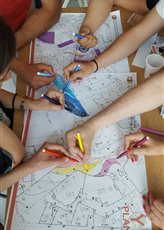
During the six workshops and four urban walks organized in March – June, a group of 25 high-school students worked on two axes in the peri-central area of Bucharest: Lascar – Viitor and Tepes Voda. The students, with the support of the project team and the aid of ten volunteers from the “Ion Mincu” University of Architecture and Urbanism in Bucharest, have realized detailed analysis of the urban context and design proposals for eight public spaces – four along each of the two axes.

The Swiss partner of the project, the Institute of Spatial Development from Rapperswil, coordinated, through Proff. Dirk Engelke, one urban workshop (focused on realizing the concept for the eight public spaces) and one urban walk.

Members of the Urbasofia team were also involved in realizing a Geoblog for mapping public spaces in Bucharest, to be used in acquiring feedback regarding the public spaces which will be implemented (see website), and in editing an online guide of planning processes, as the basis for the lectures realized within the design workshops (in Romanian – download here).

The project, which is scheduled to be finalized in October 2016, will continue with the on-site implementation of four public spaces, on the basis of the ideas expressed by the high-school students during the workshops. The final conference, which will be organized mid-October, will present the project’s main outcomes and possible follow-ups regarding the definition of a public policy for re-defining small public spaces in the city of Bucharest, Romania.

ESPRESSO Workshop in Rotterdam: results

This May, on the 24th, Urbasofia traveled to Rotterdam to chair and facilitate an ESPRESSO workshop on Smart Cities and Use Case definition for the Rotterdam project pilot. This was our second workshop, with the first in Bucharest on April 21, and it yielded significant and interesting information.

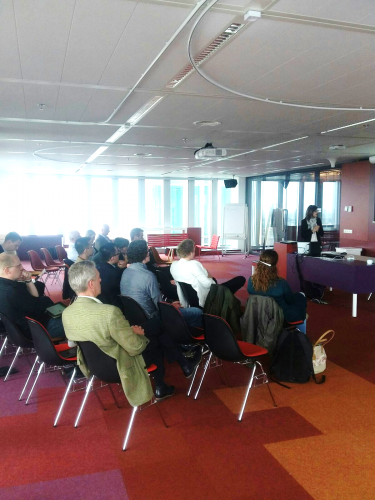
The Pilot Workshop took place in the Gemeente Rotterdam, Wilhelminakade 179, witnessing 14 participants, mainly from the Rotterdam municipality (account managers, head of department of Geo-information, GIS experts, project manager for Smart Cities, initiator of „The Digital City”), but also key stakeholders such as Future Insight. The main aim of the workshop was to establish a first discussion on the priorities of Rotterdam for being an ESPRESSO Pilot, starting with the key questions:

  1. What represents the concept of Smart Cities for Rotterdam?
  2. What are the principles of SC for the city, and which are the current achievement?
  3. What future plans and strategies need to be taken into account?
  4. What are the opportunities, barriers and future development plans in the key sectors of importance for the city?
  5. What case studies of interest can be considered for the ESPRESSO project?

ewf


Sectorial Systems and priorities

  • Safe City concept (Rotterdam has a mixed population and aims at enhancing the intra-urban safety);
  • Water and waste management,
  • Mobility, in an effort to plan together with the neighbouring municipalities;
  • Education and youth;
  • Energy transition;
  • Healthy environment and the liveable city;
  • Communication and participation;
  • Water management is central to the city’s interests.

Another priority is the facilitating and supporting of cooperation and trade economy. All systems have been identified as interconnected, meaning each system will leave a mark on the others.

Rotterdam is in the process of setting up a Data Marketplace to capitalize on the „economy of scale” of putting out data which is open from public and private sources. The (end) goal is to organize an independent open data exchange platform where all kinds of data can be exchanged under negotiated conditions. It concerns big, open, linked and other kinds of data. At this moment people within the organization are working on an open data platform for the own data of the Municipality. A key concern for Rotterdam is how to make data coming from quite a lot of sources useable and useful (defining primary but also secondary uses or positive externalities and transforming the interface to big data). Key question: How can open data usage be, in the end, monetized? Delivering open data requires a cost, so can the advantages be somehow quantified?

ergh

Rotterdam is still in the process of figuring out how to quantify, or „show” the benefits of open data (monitor economic and societal results and outcomes). Data should be presented user friendly, since not all users have the required technical background to use it. Additionally, in order to build user trust, it was discussed that a potential approach would be to have an organization outside the municipality to communicate with citizens (like a catalyst), offering a „non-aligned” position and being able to leverage and understand interests. Moreover, open data is still not high-quality, and this aspect was discussed as one of the reasons why businesses still do not use open data.

Asset management is key.

Rotterdam draws microdata at building level all across the city in various sectors (including education, demographics, etc.) and they aim to transform the municipal work, to start becoming information-driven work in a „smarter” way.

Ideas for use cases and scenarios fitting the ESPRESSO concept and aims have been many. In the following months, we will work closely, under ISOCARP, with the city to assist them to prepare piloting.


The meeting brought out content of excellence and reinforced the idea that Rotterdam is one of the flagship cities for the Smart City concept. We are happy to have them as an ESPRESSO Pilot!

ESPRESSO Project – Bucharest Workshop results

The first ESPRESSO-Workshop took place at the 19th of April in Bucharest, in the ARCUB Gabroveni, and was a joint effort of the APUR (Asociația Profesională a Urbaniștilor din România) and URBASOFIA experts working under ISOCARP.

The aim of this workshop was to start an open dialogue with city authorities, policy makers, industry and NGOs on what challenges they face with respect of making cities more liveable, sustainable, efficient with the focus for future development of Smart Cities and potential roadmaps for integration. Interesting questions regarding the integration of Smart City solutions and the improvement of solutions offered to citizens were discussed as well as the question how can we make sure we speak the same language across Europe.

espressonewsbucharest

Key points

Smart City Concept (SC) is based on the idea of using technology as an enabler for cities development. What is sometimes missing from the explanation of a SC is the piece related to Smart citizens and Smart management. Therefore, SC should be seen as an umbrella concept, defined by using resources in an efficient and intelligent manner in order to achieve competitiveness.

Discussions have been focused on the following points:

  • Smart city definition and understanding from different sectoral points of view. Does the word SMART best define the core idea behind contemporary, efficient, livable and sustainable cities? Isn’t „intelligent” a better description of the concept?
  • The definition of an all-round Smart City should factor in a threshold of performance in sectorial systems. Oftentimes when discussing best practices, examples of relevance include a smart, but punctual solutions, which in the broader picture cannot transform city processes on a larger scale. The discussion centered on impact on resources (financial, environmental, human, etc.), rather than product or process – if investments in question generate a significant impact or outcome at local level in terms of integrating and making city systems more efficient in generating sustainable outputs and easy to manage, then the city could be considered smart.


esp1


  • An integrated urban planning approach to SC – what are the most relevant sectors? Which are the most important standards that reveal the smartness of a city? In Romania and post-communist Eastern Europe in general, an important issue is the land ownership and incomplete cadaster (land register). Efficiently managing a city leverages essentially on integrating city systems, but without up-to-date spatial information pertaining to these systems, punctual investments will not yield results. A top priority is mapping out the city (including underground cadaster) and moving towards paperless planning.
  • Mobility aspects are the second key issue considered highly relevant for Bucharest and Romania in general. The car is still representative for social status and the city is the second congested one in Europe.

Smart City? But what is a Dumb city?

  • What is the role of public authorities in a SC? How can public bodies accelerate a city to become smart? Local administrations should be drivers for change, as within them lies the biggest barrier for SC deployment and upscaling – historical silo thinking. In order to change this and integrate city systems, a restructuring of the local administration is needed, which can be met with much resistance. Beside containerization, for local administrations the second issue is also the lack of know-how and existence of non-technological barriers – civil servants need good training and development programmes in order to be able to operate the solutions. Investments in hard infrastructure are tertiary next to (lower impact, more affordable) investments in human resources development and in development of a joint city database for city management.
  • Romania and Bucharest are lagging behind in what concerns the penetration of smart technologies and tools for city management and development. However, much like the late development of the broadband infrastructure (which is now one of the fastest in the world), this can be seen as an opportunity for leapfrogging ahead. Open data and open source technology are key instruments for doing that – cities should make it a priority to migrate from using proprietary software.


45


  • Involving the community: there is a reason why collaborative platforms and apps using crowdsourced information perform very well (such as the Waze app) – local administrations do not have the resources to constantly monitor „traditional” city infrastructure (without remote access intelligent solutions), hence involving individuals in the process of monitoring and reporting considerably reduces time and resources (validation is still necessary). This kind of approach could lay the foundation for real-time planning.
  • Moreover, as cloud technology develops, a key selling point of smart systems technology is the fact that it is very easy to use (via an online portal) and does not require local resources.
  • Key question: how can technology better play its role in a SC without alienating people and bring the most to a city development? The pitfalls of hypertechnologization as pointed out both in literature and in practice mostly pertain on the capacity of the society to maintain its community sense, identity, culture and tradition. Smart people and culture should be a top priority for SCs, and their development should be community-centric as opposed to technology-centric.
  • Standards and the standardization process lay common grounds – this is essential for urban and regional planning, as a common language can not only enhance the transfer of best practice but also link cities together, facilitate trans-border cooperation and integrated development, promote investments in urban development

How do citizens and communities understand the concept of SC? What can we, as experts and professionals educate people to better understand SCs? How can we raise citizens trust in technology and determine them to embrace technology as a tool for SC development?

  • The issue of trust is a vulnerability of the SC concept and mostly elderly are reticent towards e-services (e-payment, e-gov services, using online applications), albeit this mistrust witnesses a reduction as new generations teach the elderly.

Key smart city sectorial systems

SC

In closing, it is clear that we have much to discover, discuss, understand about how Smart City technologies should be put to their best use. The workshop offered a great opportunity for a very focused discussion, and our aim is to replicate it next year, when ESPRESSO will yield its most important deliverables. Until then… join our Smart City Stakeholder Network (SmaCStak)!

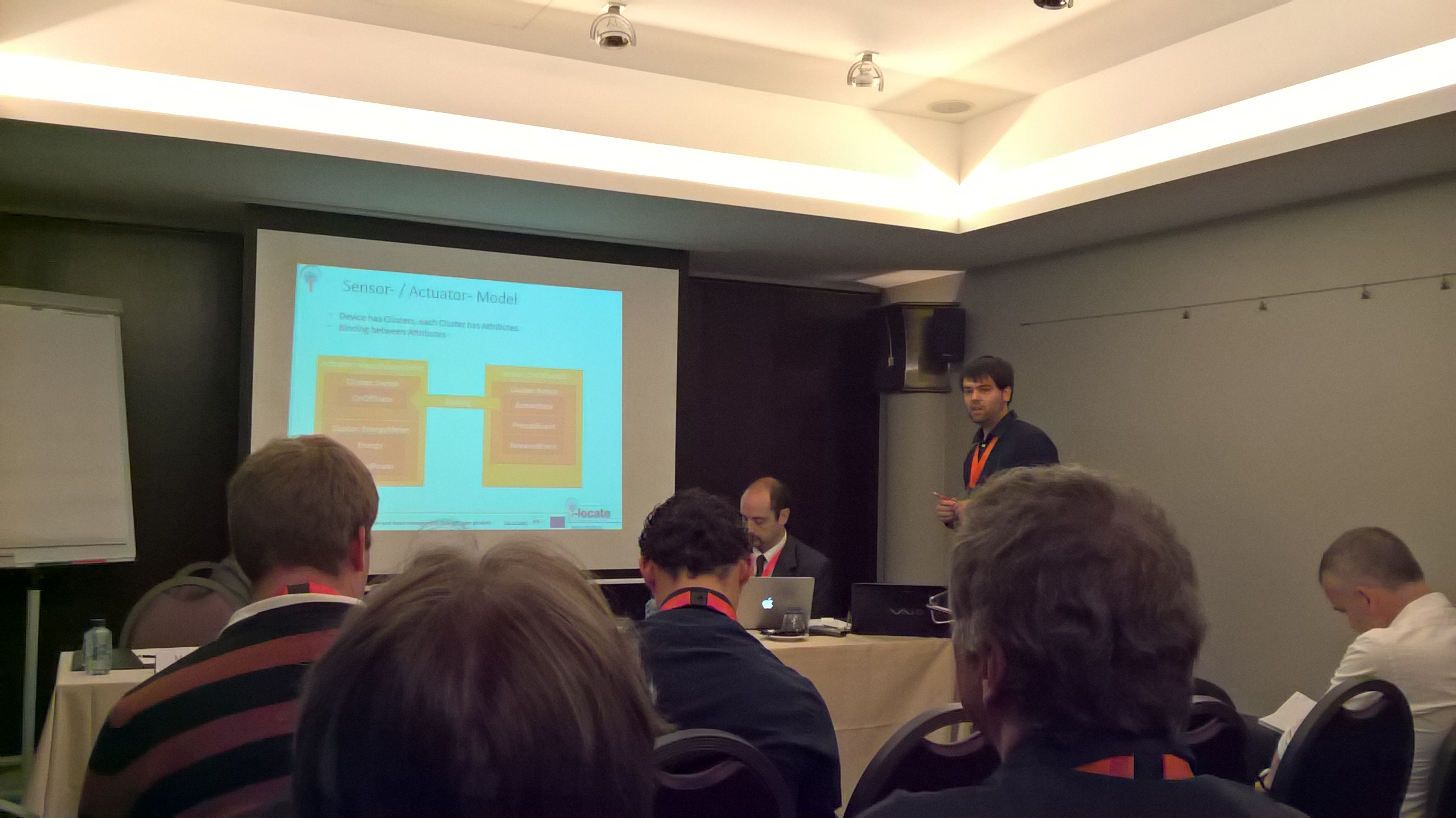
I-Locate Workshop – Geo IoT World

Where Geolocation Powers IoT Innovation | May 25-26, 2016 – Brussels, Belgium

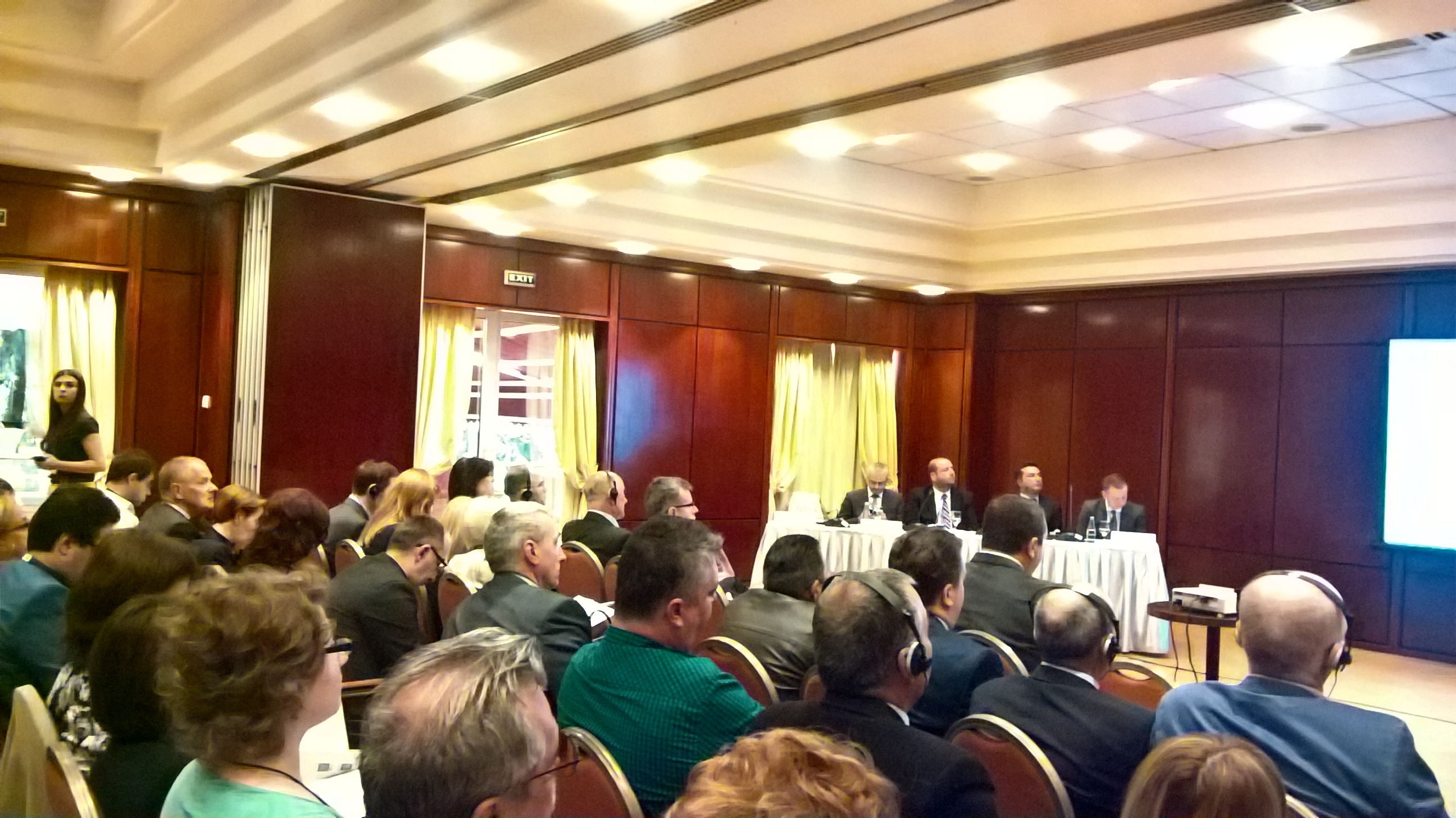
During the Geo IoT World Conference held in Brussels, Belgium the 25th – 26th May 2016,  the i-locate Project - Indoor/Outdoor Location and Asset Management through Open Geodata has been disseminted thorugh a very captivant workshop having as main theme the facilitation to realize the LBS opportunities in indoor and outdoor environments.

The event has gained a large audience following the two sessions:

1.

i–Locate: Indoor/Outdoor Location and Asset Management Through Open Geodata, Giuseppe Conti - CTO Trilogis, CTO Nively, Chair of Mobile Location Services Domain WG at OGC, i-locate Project Coordinator;

The i-Locate Open Toolkit: Your Starting Point for Developing Great Indoor Location-Based Services, Daniele Miorandi - VP Executive R&D, U-Hopper, Italy

IndoorMaps and Routing through Standards: IndoorGML, Nicola Dorigatti - Trilogis, Italy

Solutions for Indoor Location and IoT, Danny Schumann - Project Engineer, ZIGPOS, Germany

An Overview of the Indoor/Outdoor open data GI Portal, Catalin Popa – INDSOFT

2.

Indoor and Outdoor Routing, Challenges and Results, Dr. Theo Arentze - Professor, Department of Built Environment, Technische Universiteit Eindhoven, Netherlands

Innovative business through indoor location based services and asset tracking technologies, Bogdan Rugina - Urban Planner, Urbasofia, Romania

The Importance of IoT and Indoor Localisation in the Context of Hospitals, Vali Marinescu - Manager for Quality Healthcare, Alba Iulia Emergency Hospital; Technical Consultant, i-locate Project, Romania

Ethical Implications of Indoor Location, Claudio Eccher - Senior Researcher e-Health, FBK (Bruno Kessler Foundation), Italy


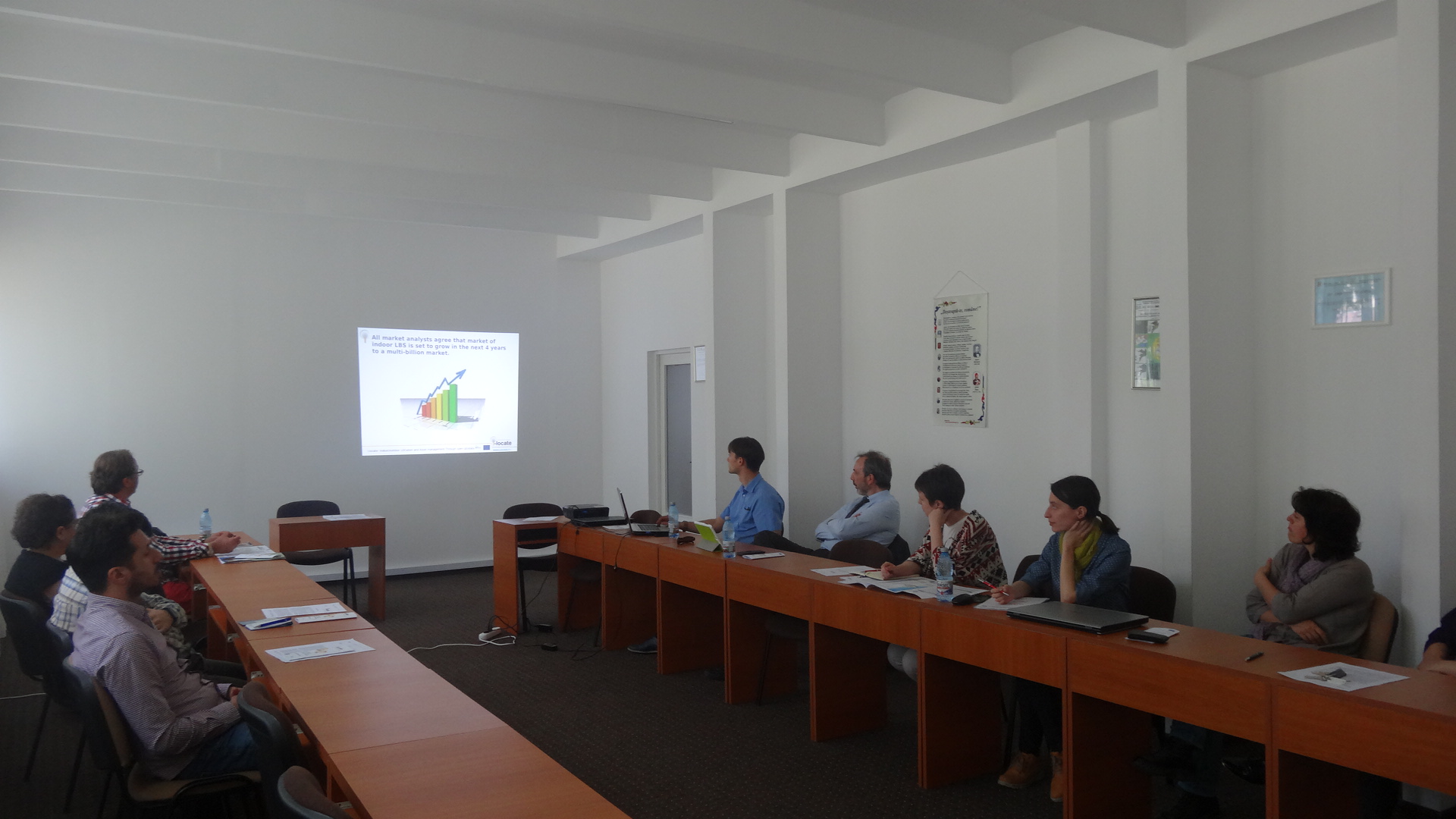
Urbasofia, represented by Mr. Pietro Elisei and Bogdan Rugina, has introduced the audience through the LBS business trends, below the integral presentation:


WP_20160526_10_02_52_Pro

CENTRIC – May 2016 Events

UNECE Seminar 18th May

CENTRIC Project- Centre for ExcelleNce in TerRItorial management and Cadastre has organized, within the final UNECE Seminar, the Event entitled “Registration of property – the foundation of an active real estate market and a support for the sustainable land development, Education, Knowledge, Success”.
The Seminar was developed in four sessions:

a. First Session: Introduction to Horizon 2020 and CENTRIC Project
b. Second Session: Essential components for national land administration systems
c. Third Session: Benefits of integrated cadastre and land registry for a functioning land administration
d. Fourth Session: Innovation in real estate at the service of citizens

   WP_20160518_09_57_57_Pro

The event has enjoyed broad participation from both the academic sphere and the representative of various institutions from Romania and abroad, the Private sector was also present. Besides others, important to mention the presence of Mr. Elshad khanalibayli, Chair of UNECE (WPLA); Mr. Radu Codruț Stefănescu, Director general of ANCPI; Mr. Radu Daniel Pintilii, University of Bucharest; Mr. Jan van Rheenen, Cadastre Agency Netherland; Mr. Cornel Păunescu, President of national Union of Geodesists, etc.
 
Urbasofia participated to this event presenting later during the fourth session the “GeoICT services as innovative tools for better land use management systems” below the full presentation:


Centric – Bucharest Consortium meeting 19th – 20th May

The final CENTRIC Consortium meeting held in Bucharest at the National Centre of Cartography has brought together the last discussions for the finalisation of the most important project's first phase result: the Business Plan.

The meeting was also the opportunity to further develop the activities that CENTRIC will carry out in the next years, use cases that will be developed within the concept of R&D activities following the principles of the ‘living labs’, ‘learning-while-doing’, output-outcomes & business oriented (3D Cadastre, UAV & automatic change detection, etc.).

The preparation for the Phase 2 Proposal was also an important chapter of the event, highlighting the main key points and first attribution of tasks for next years.

The meeting concluded with some indications for the Phase 1 last deliverables to be updated.

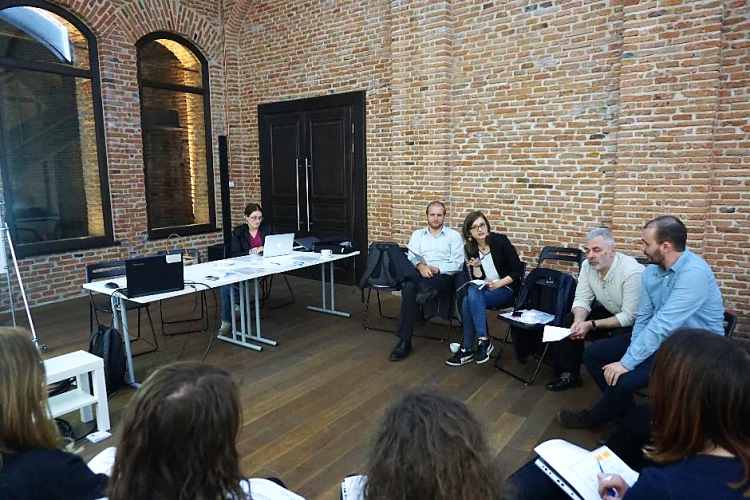
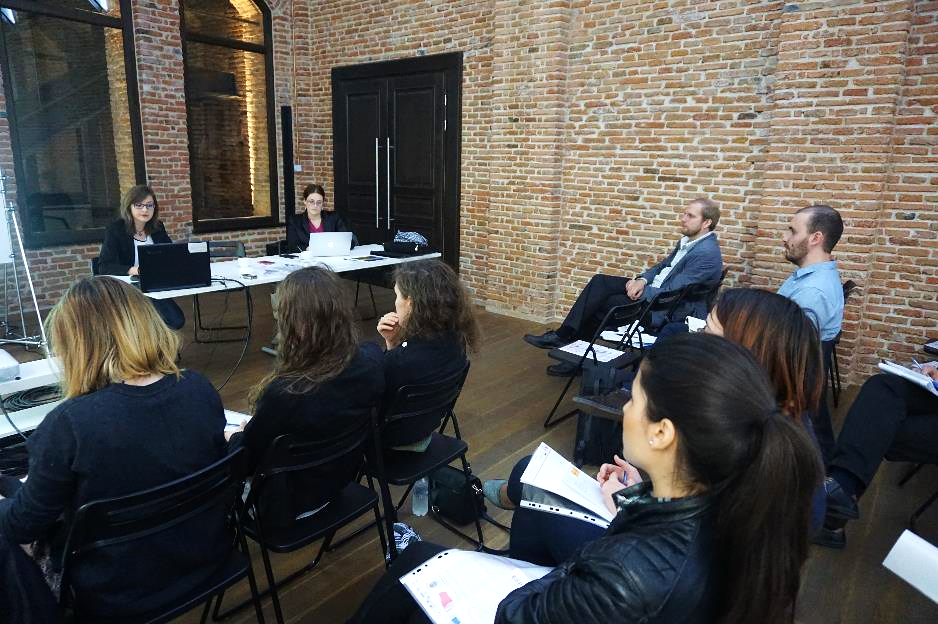
The Technical Workshop “i-Locate Indoor Mapping Party Bucharest” 13th May 2016

The workshop followed the 11th edition of the research conference on constructions, economy of buildings, architecture, urban and territorial development titled "Integrated research for resilient, comfortable and safe cities" on 13 May 2016 at the National Institute for Research and Development in Constructions, Urbanism and Sustainable Spatial Development URBAN-INCERC.

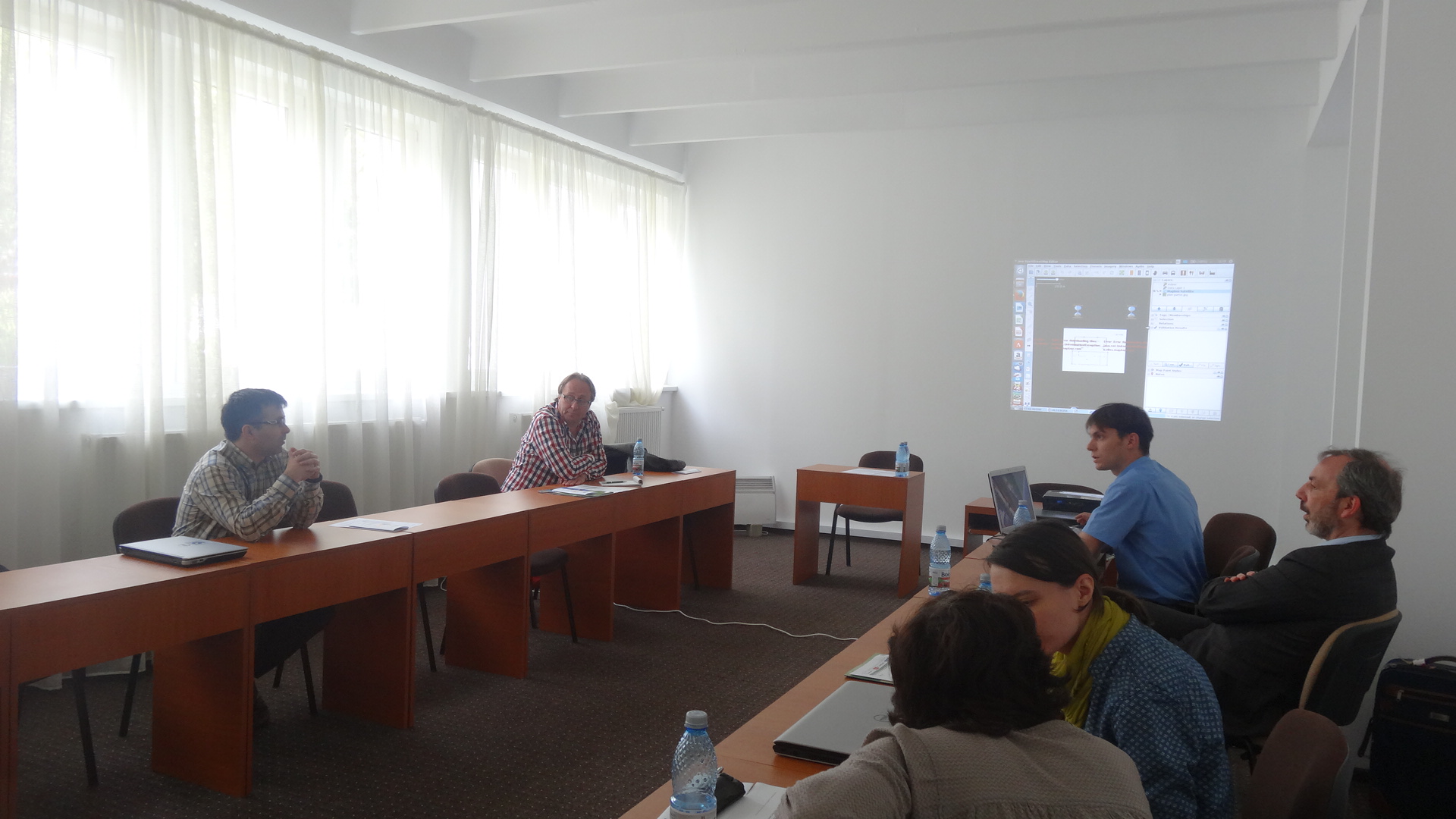
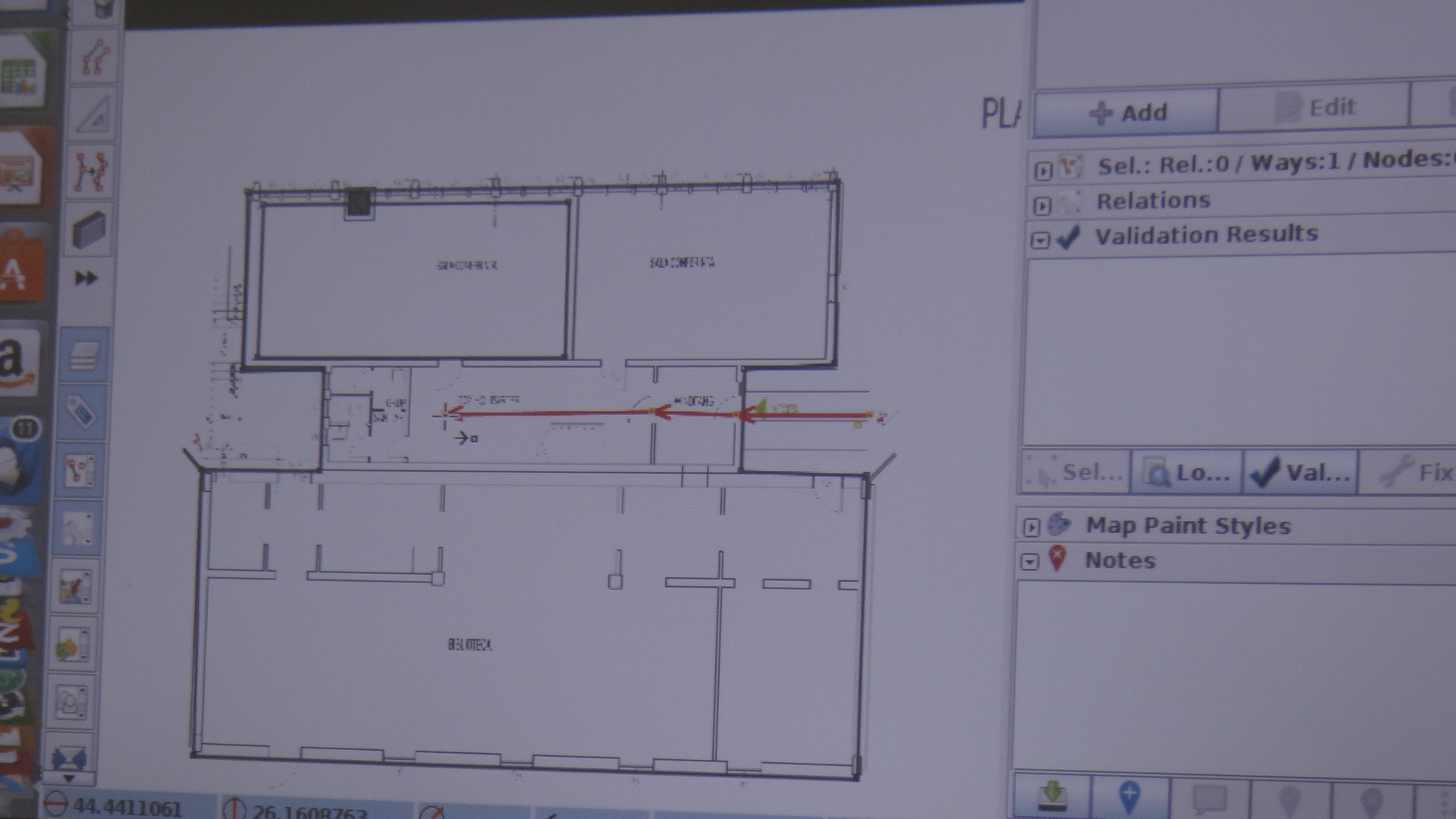
First of all the event has represented the first opportunity in Romania to present i-Locate project, its objectives, Pilots involved, applicability and usability within an International Conference.Second, with contribution of Mr. Fabrizio Napoleoni (Urbasofia) the audience was presented the Pilots Mid-Term Evaluation and Presentation of the 14 Pilots sites’ results of the first survey launched in February.Third, the public was introduced also to the Indoor Mapping and JOSM Software as important part of i-locate OpenStreetMap counter-part objective. Finally the workshop was conducted for the “Indoor Mapping Paths Sketch” of the selected building and a discussions about the implementation of this technology in the Romanian context and the business possibilities were also debated.
   DSC03563

DSC03570

DSC03586

DSC03610

The event has been disseminated largely through different social media:

Facebook https://www.facebook.com/events/1119842841369906/

Linkedin https://www.linkedin.com/groups/7434810/7434810-6120175067373535233

Doodle http://doodle.com/poll/ebvpatetu7k7qiwz

CENTRIC February 2016 Events

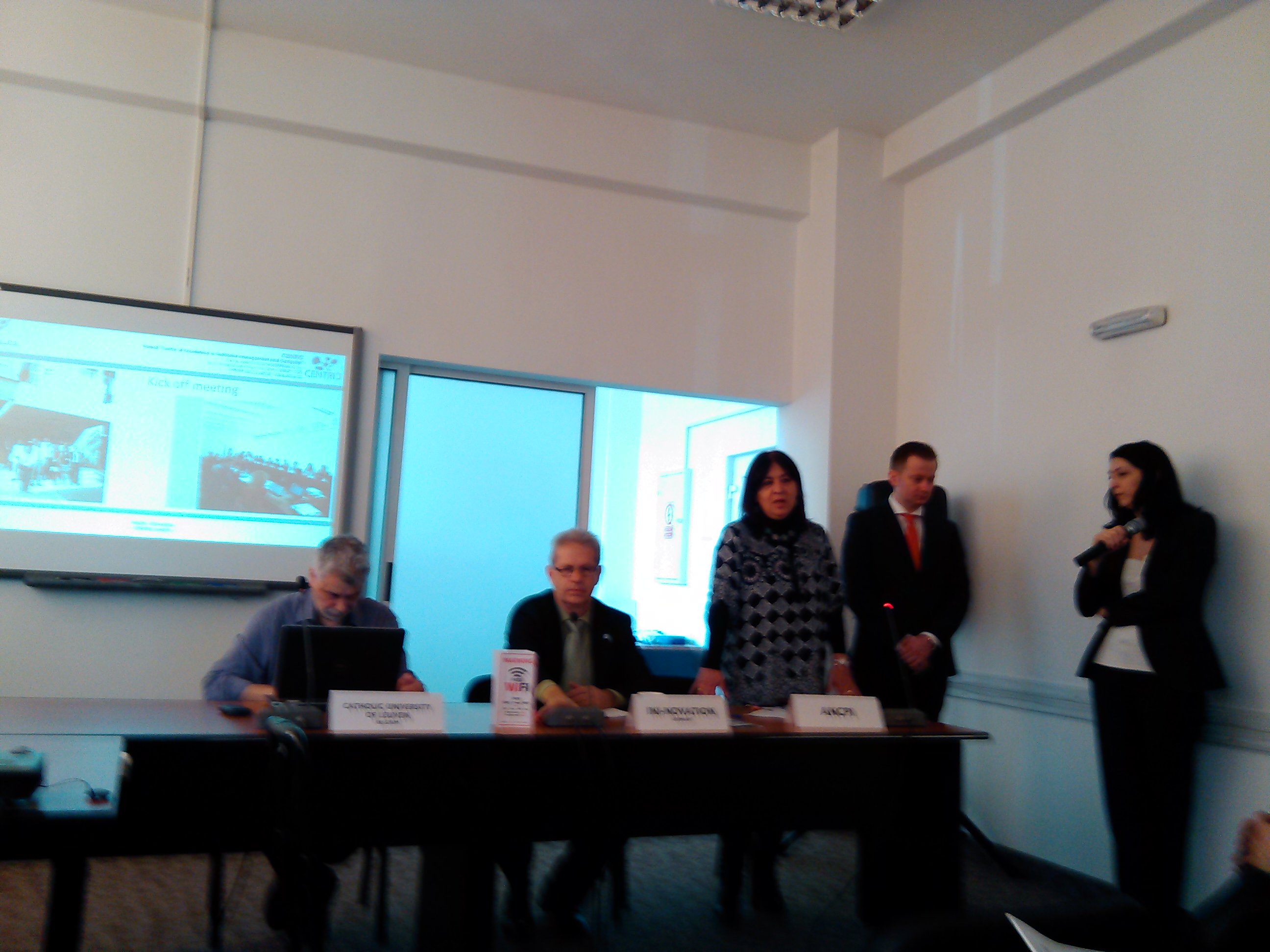
23rd February 2016 – Definition of the education and training plan for the Centre of Excellence in Territorial Management and Cadastre – CENTRIC

IMG-20160303-WA0008
The debate was composed by the project’s partners as well professors from Romanian Universities, professionals, researchers, private representatives, etc.
As important contribution to the overall project’s objectives, the discussion around the education and training plan, was carried out this time from the international point of view. In order to reach this perspective, the CENTRIC partners presented their material:

• INI-INNOVATION from Germany detailed the future possible position and contribution of the centre to the socio-economic development in Romania;
• The Catholic University of Leuven, Belgium, presented the Geographic Information Need to Know (GI-N2K) Project http://www.gi-n2k.eu/;
• Autonomous Province of Trento (PAT – Italy) introduce their capacity in terms of surveyors and registrars in the cadastral training;
• Bruno Kessler Foundation from Italy anticipated a future CENTRIC education and training plan.

At the end a useful debate was carried out cross-checking the needs and current offers in terms of education and training for territorial management and cadastre in the Romania context.


24th – 25th February 2016 – Bucharest Consortium Meeting – CENTRIC

The CENTRIC Consortium met in Bucharest from the 24th to 25th of February as a further step to review the work done in term of deliverable and to assess the efforts needed for the next period. The very interesting CNC – National Centre of Cartography, a sub-division of the ANCPI was the final location of the meeting.

This was also the occasion to open the General Assembly of the Project in view of the last financial updates. The meeting concluded with the debate around the SWOT Analysis of the domain of territorial management and cadastre that will be conducted next months.

IMG_20160223_100158

A new Integrated Strategic Plan for the Metropolitan Area of Cluj

The new integrated strategic plan for the Cluj-Napoca metropolitan area represents, firstly, a change of paradigm under the conceptual umbrella “Problems first!”. We do not start neither from foreign concepts and thinking patterns that are against local level thinking or the financing opportunities that can orient the vision of local politics towards the development of un-needed projects. On the contrary, we have pursued the development of a strategic plan that looks beyond the bureaucratic and technical substantiation of the use of grant funds, capable of attracting and creating opportunities for private investments, through an inclusive and perspective process.

tree

We have approached these challenges with the aid of a dialogue-oriented methodology, already experimented in other European cities – the STATUS Project methodology. In this approach, the decision is shared between essential stakeholders, in a participative planning process. The local communities are, first of all, the protagonists of the planning process, co-designing the strategic plan along with the public institutions.
The development of the Cluj-Napoca metropolitan area strategy was based on three main principles:
1. At the base of an integrated strategy’s design we must have an open and inclusive planning process.
2. The participatory planning process must be oriented towards the identification of clear pathways of development (conceptual strategic axes) for the Cluj-Napoca metropolitan area.
3. It is necessary to prioritize a coherent, strategic and integrated set of representative projects, feasible in short-medium term, around which a structured action plan, with support and complementary projects, can be organized.
The new strategic plan for the Cluj-Napoca metropolitan area is not a set of documents and a list of projects, but a permanent process which launches a multi-actor metropolitan dialogue based on the creation of a Metropolitan Task Force for the area, open towards all interested parties and based in a Metropolitan Centre.
At the centre of the strategic plan lies the Governance Pact. It is based on a local collaboration between all important stakeholders supporting the transformation of Cluj-Napoca and the surrounding communes; it represents a transformation that must be balances and capable of defining a clear governance framework to facilitate the decision-making process between the Municipality of Cluj-Napoca – the promoter of development at metropolitan level – and the other 18 municipalities.

cerc

graf

SUNSHINE – Final Event 2016

In closure of the project, the SUNSHINE FINAL EVENT Conference organized by URBASOFIA as lead Communication and Awareness partner of the project, aimed at delivering results of the 3-year innovative initiative, within a large international participation, as well as to promote and network with other EU Projects on Energy Efficiency.


The conference has been held on January 14 2015, in the Auditorium Biagi room of the Salaborsa of Bologna, Italy. The event was organized in partnership with the Bologna Urban Center.

s1

The SUNSHINE end event has been organized as a two-fold experience. Firstly, we aimed at offering the citizens and all stakeholders interested in Energy Efficiency the opportunity to take part in the Demos and experience first-hand the solutions for Energy Maps, Building Energy Awareness and Remote Control of Public Lighting.


Second, the Final Conference Session has been the core part of talking SUNSHINE and has gathered the project partners as well as speakers, panellists and expert invitees from a wide array of institutions: representatives of fellow innovation projects, of the municipality, region and energy supply companies, pioneer companies, institutes and research groups in the area of energy efficiency, location, the IoT, Standards and EU Policies as well as Open Energy. The day-long meeting provided the opportunity to present project achievements and innovative tools developed in the 3 years of project activities. URBASOFIA presented the lessons learned from the SUNSHINE Piloting experiences in the 8 cities of the project.

s2

The event has been an appropriate opportunity to set up the basis for new partnerships to continue the efforts of the SUNSHINE project in the upcoming programming period, but also a means to support and transfer knowledge and lessons learned to stakeholders confronted with similar challenges in the Energy area.

Renowned experts from the regulatory, research and business sectors coming from Belgium, Germany, Italy, Switzerland and the United Kingdom shared their expertise in the field of energy efficiency, Internet of Things, standards and EU policies, as well as open energy in a high level round table. The speakers invited to present in the three specialized sections (Energy efficiency, Location and Internet of Things in the EU: common grounds, challenges and opportunities, Standards and EU Policies, Open Energy) have been the following:

  1. Aleksandra Arcipowska, Building Performance Institute Europe – Brussels, Belgium
  2. Michele Sansoni, ARPAE Environment and Energy Agency – Bologna, Italy
  3. Jean-Marie Bahu, European Institute for Energy Research – Karlsruhe, Germany
  4. Muna Hamdi, iMFV – Intelligent Mobility: FutureVision – Portsmouth, United Kingdom
  5. Daniele Miorandi, U-Hopper Trento, Italy
  6. Massimo Fustini, Emilia-Romagna Region – Bologna, Italy
  7. Joëlle Mastelic, European Network of Living Labs (HES-SO Valais-Wallis) – Sierre, Switzerland
  8. Gašper Stegnar, Building and Civil Engineering Institute ZRMK – Ljubljana, Slovenia
  9. Sara Picone, ASTER – Bologna, Italy

Their full profiles and presentations are available for downloading on the Conference webpage.


The conference was an excellent occasion for joint capitalization of European initiatives targeting the availability of building-related data, and highlighting the increasing interest and number of initiatives at European level involving institutions, local authorities and the business sector. Citizens and stakeholders interested in energy efficiency also had the opportunity to take part in the SUNSHINE live demos and experienced first-hand the solutions available for energy maps, building energy awareness and remote control of public lighting.

s3a

In closure, a panel discussion has been conducted with the speakers and invited experts on topics concerning the trends, barriers and projections of Energy Efficiency, ICT, Open Standards and Open Energy. The discussion has been very interesting and engaging, and the overall feedback has been excellent.


s4