Deprecated: Optional parameter $list declared before required parameter $submit_text is implicitly treated as a required parameter in /home/rcpwqhpx/public_html/wp-content/plugins/yikes-inc-easy-mailchimp-extender/public/helpers.php on line 14
News – Page 9 – Urbasofia

ISTER and AGORA DTP – project proposals


URBASOFIA designed and submitted 2 project proposals under the Danube Transnational Programme (DTP), 2nd call for proposals.


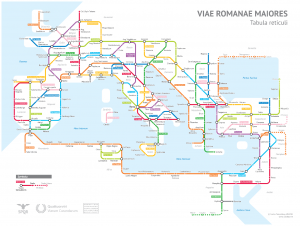
ISTER (ConnectIng hiSTorical Danube rEgions Roman routes) is an ambitious but at the same time essential proposal under Danube Transnational Programme, 2nd call for proposals, Priority Axis 2: Environment and Culture responsible Danube region, Specific Objective 2.2: Foster sustainable use of natural and cultural heritage and resources. ISTER’s main objective focuses on rediscovering and revitalising the ancient Roman Roads Network along with the Danube Region as a driver in promoting territorial development based on sustainable use of cultural and natural heritage (specifically, archaeological assets). ISTER promotes Archaeological Cultural Heritage [ACH] as a catalyst for touristic development, as well as an opportunity for territorial competitiveness and sustainable growth of Danube crossed-regions.


The second proposal for DTP, entitled AGORA – Advancing innovative coGeneration Options for Revitalising local Areas, is mainly aiming to increase local capacities in co-producing new policy strategies, revising competencies and recovering space for new economies within a networked system of policy learning and innovation at the transnational level. AGORA bridges creative social economy, political, cultural and institutional capacity by testing a set of innovative instruments (Social Innovation Communities and Community Space Innovation Agendas). The participatory process defined by AGORA leads to an increased capacity of local and regional administration and stakeholders in addressing local challenges for the AGORA partners for increasing the competencies in social and business innovation at Danube Region level.
 

More information on the approval coming in Autumn 2017. Keep our fingers crossed until then!
 

The XXXII Italian Geographical Congress


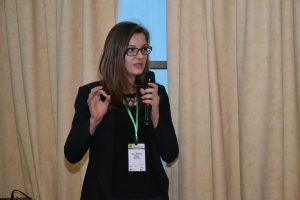
Another event where URBASOFIA participated as speaker is The XXXII Italian Geographical Congress, promoted by the ‘ Association of Italian geographers (held in Rome, on 7th – 10th of June 2017). In the year of fulfilment of the centenary of the October Revolution, and the fifth centenary of the Lutheran Reformation, the themes of the Congress were precisely revolutions and reforms. In the panel session of Europeanisation of spatial planning systems moderated by Angela D’Orazio and Maria Coronato from the Università di Roma Tor Vergata two articles were presented by the Urbasofia team members. One of the articles was presented by PhDc Radu-Matei Cocheci (Urbasofia Collaborator) with the title of The Impact Of Europeanization On National Planning Systems. A Comparison Of Spatial Planning Processes In Italy And Romania, while Dr. Ing. Pietro Elisei (General Director of URBASOFIA) presented another article with the title of A Phase of Dissonant Europeanisation in Spatial Policies.

For more information, please access link here: http://www.congressogeografico.it/

TopHotel Tourism & Leisure Investment Conference


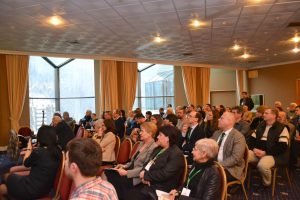
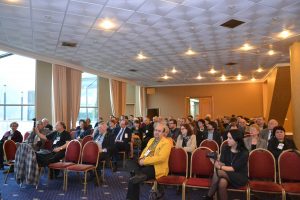
URBASOFIA team has participated at the TopHotel Tourism & Leisure  Investment Conference, which is the most important event dedicated to the hotel, tourism and hospitality industry in Romania (held on 25th -26th  of May, 2017). The event brought together specialists from the field of tourism, representatives of local authorities and managers of the largest international hotels on the Romanian market. Our team spoke about the Integrated Tourism Approach in the framework of territorial development strategies on the – Tourism – Destination management for Romania’s locations with high touristic potentials – discussion panel moderated by Mrs. Anca Pavel Nedea. Other key topics in this panel were:
  • Best Practices in the Management of the Ecotourism Destinations in Romania
  • The development of a Destination Experience Management System (DEMS), where tourists share their experiences about different tourist destinations and experiences;
  • New media solutions training for business promotion, interconnection and development


For more information, please access link here: http://www.2017.hotelconference.ro/


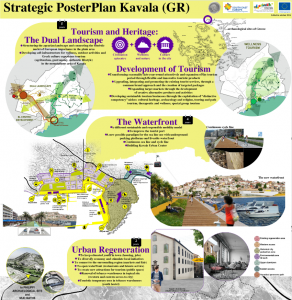
MODEL KAVALA, GRECIA 

Strategic plan for a tourist destination


Tourism all season

Diversification of tourism offers

(Specific local exploitation –

Agrotourism, gastronomy,

  Authentic lifestyle)


Education and training

Centres for specialisation and training


ATTRACTIVE DANUBE: First Romanian national workshop

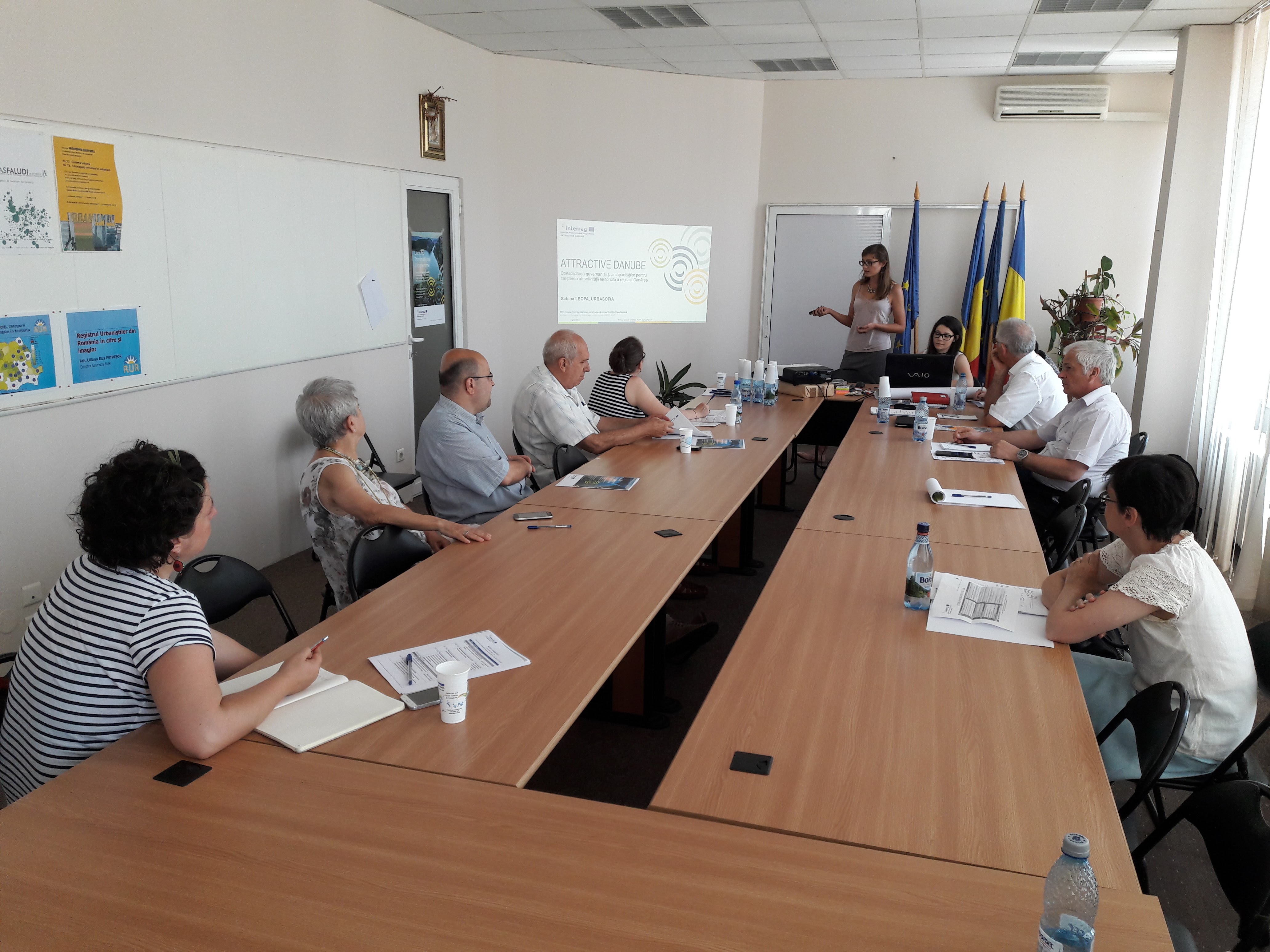
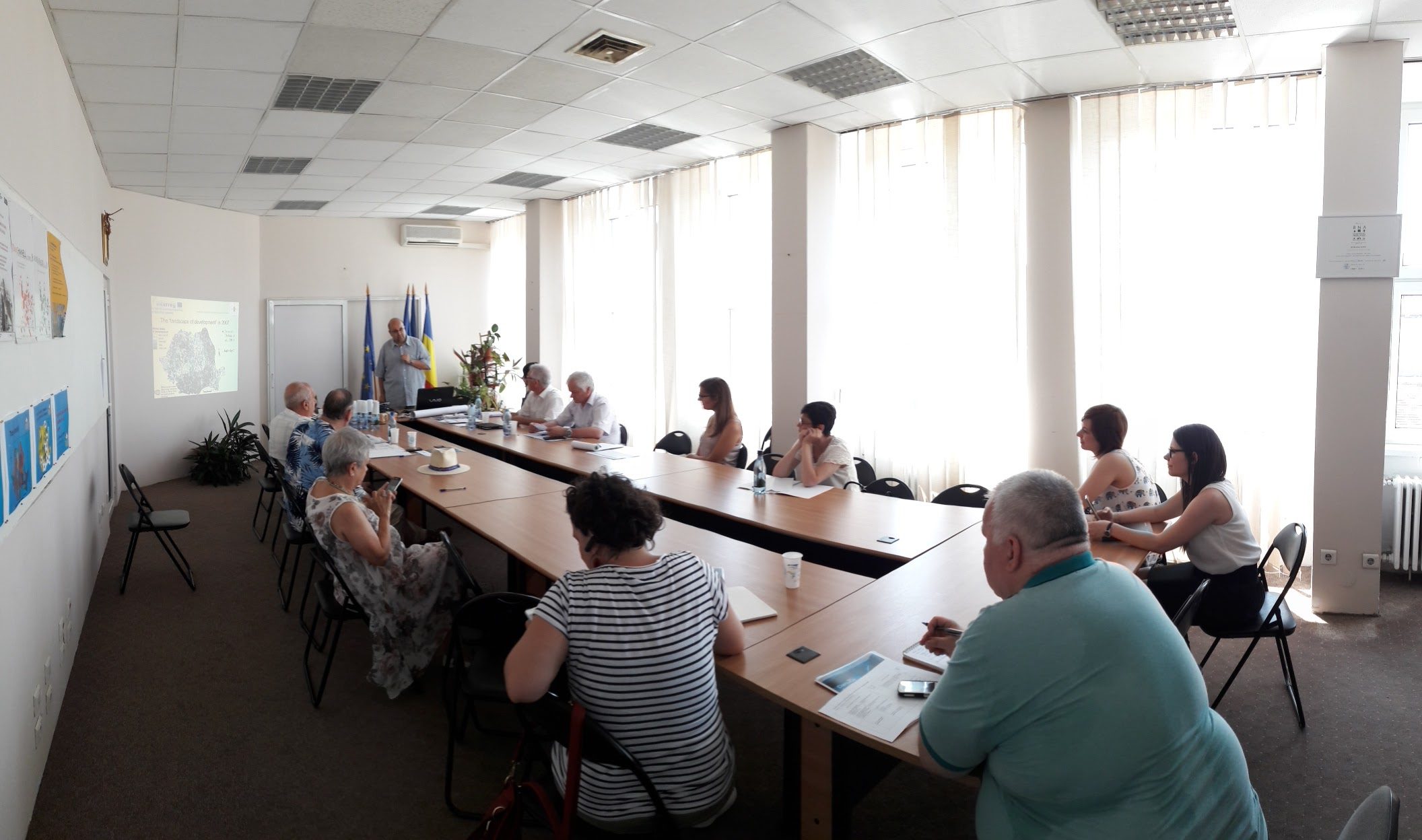
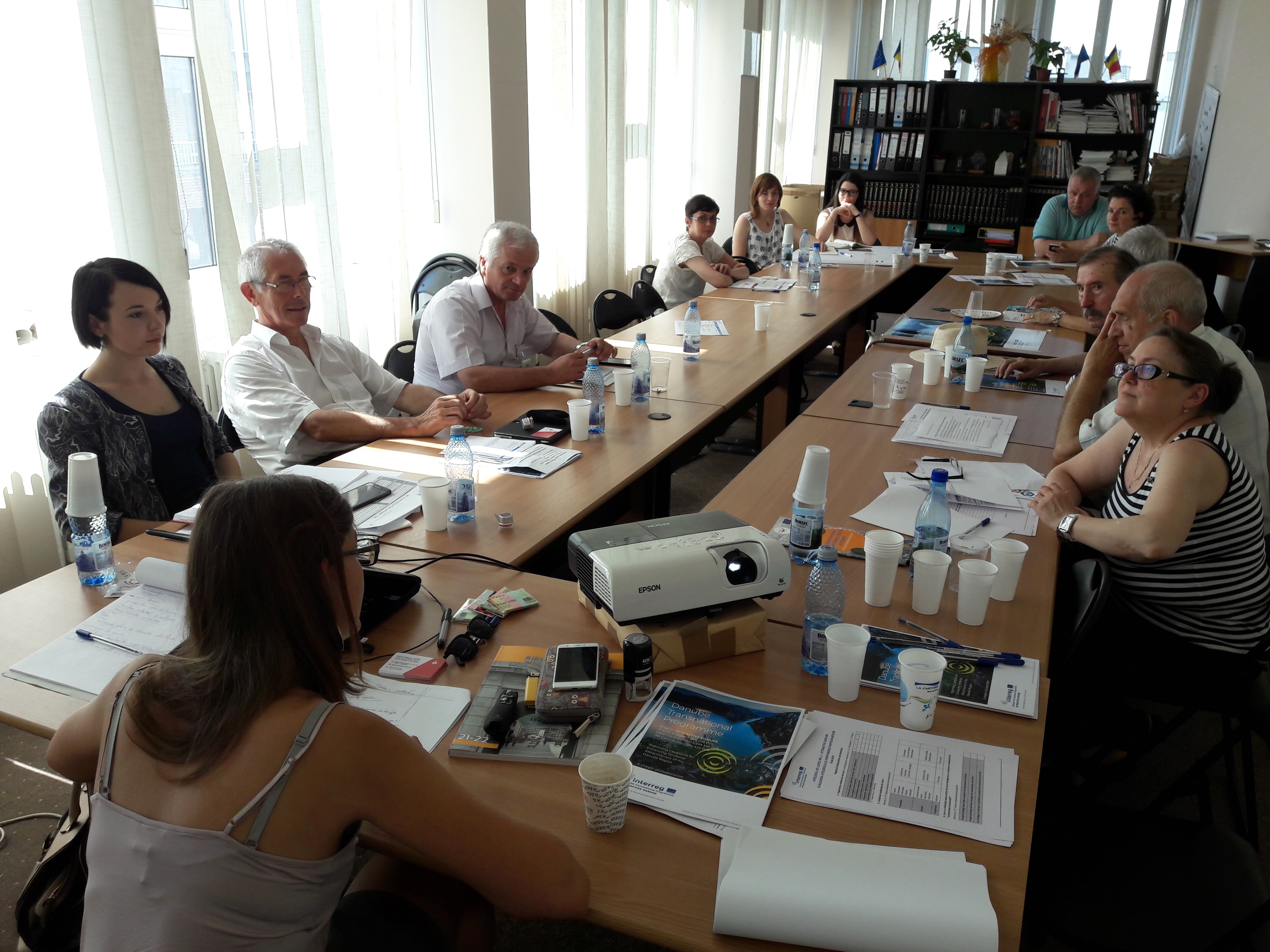
We organized the first Romanian national workshop on the ATTRACTIVE DANUBE project (Improving the Capacity for Increasing the Territorial Attractiveness of the Danube Region) in Bucharest, on the 29th of June 2017, in collaboration with the Registry of Urban Planners in Romania, in the aim of discussing a key topic for policy makers, economy players and civil society at all levels: how to evaluate and monitor territorial attractiveness in Romania.

The workshop spanned 4 hours and two specific sessions:

  1. Presenting / familiarizing participants with the Attractive Danube Project and its aims, inviting professionals as speakers on the topic of tackling territorial attractiveness and consulting the participants’ views on the topic and the concept’s definition;
  2. Discussing and identifying a set of specific indicators for territorial attractiveness in Romania, able to support the various public policy planning processes of territorial planning and development.

dav

The conclusion of the first Romanian workshop within the Attractive Danube Project highlighted some of the key elements regarding future steps in the project, including the next two national meetings to be implemented by December 2017 and the operational results of the project:

1. The set of 22 indicators defined by the ATTRACT-SEE project, if judged stand-alone, bear insufficient relevance for Romania as indicators of the territorial attractiveness of our country in the transnational context of the Danube Region; the indicators will need to be supplemented, through an open, inclusive and participatory process.
2. For Romania, it was emphasized the importance of defining a set of specific and detailed indicators for the Danube rivers (eg at the level of the Danube riparian counties), but without omitting the importance of the entire river basin covering the whole territory of our country ;
3. The evaluation questionnaires handed out to participants highlight, at the preliminary level, the following key messages on the content and organization of the following workshops on defining the set of indicators for monitoring and assessing the territorial attractiveness of Romania in the transnational context of the Danube Region. Illustrated according to the priorities of the EUSDR, the proposals discussed can be divided into the following categories of key indicators:

  1. Interconnecting the Danube Region
    1. Improving mobility and multimodality
      • Accessibility indicators
    2. Encouraging sustainable energies;
      • Environmental indicators
    3. Promoting culture and tourism, direct contacts between people
      • Indicators on cultural background – intangible cultural heritage – traditions and customs
      • Indicators on tourism potential
  2. Protecting the environment in the Danube region
    1. Restoration and maintenance of water quality;
    2. Managing environmental risks;
    3. Conservation of biodiversity, landscapes and air and soil quality
      1. Natural environment indicators (for all categories)
  3. Increasing prosperity in the Danube region
    1. Developing knowledge-based society through research, education and information technologies;
    2. Supporting the competitiveness of enterprises, including the development of clusters;
    3. Investing in people and capabilities;
      • Indicators on the potential of the business environment
  4. Strengthening the Danube Region
    1. Improving institutional capacity and cooperation;
      • Indicators for urban and spatial planning tools;
    2. Working together to promote security and address organized crime and serious crime issues.

In this context, it was reiterated that there are no adequate / relevant indicators on territorial attractiveness, as their relevance is being challenged in specialized studies.

During September 2017, the second national workshop will be organized, and for its preparation we will carry out the following next steps:
1. Widening the stakeholder group at Romanian level with the relevant actors / institutions involved in the process of substantiation of Romania’s planning and territorial development policies;
2. Preparation of an online questionnaire with a set of relevant questions regarding: the territorial attractiveness of Romania and the territorial capital of our country, the specific identification of the needs of the actors involved in the various public policy processes in territorial aspect, the definition of the indicators and indexes relevant to the evaluation and monitoring of Romania’s territorial attractiveness in the transnational context of the Danube Region.

Overall the first workshop was a very productive meeting, and we would like to thank all the participants for their openness and expert opinions!

Download below the presentations and full minutes (in Romanian) of the meeting:

  1. ATTRACTIVE DANUBE, Mrs. Sabina Leopa, URBASOFIA
  2. Territorial attractiveness of Romania in the trans-national context of the Danube Region, Mr. Alexandru-Ionut PETRISOR, PhD, PhD, Habil., director of the Urbanism Doctoral School, UAUIM
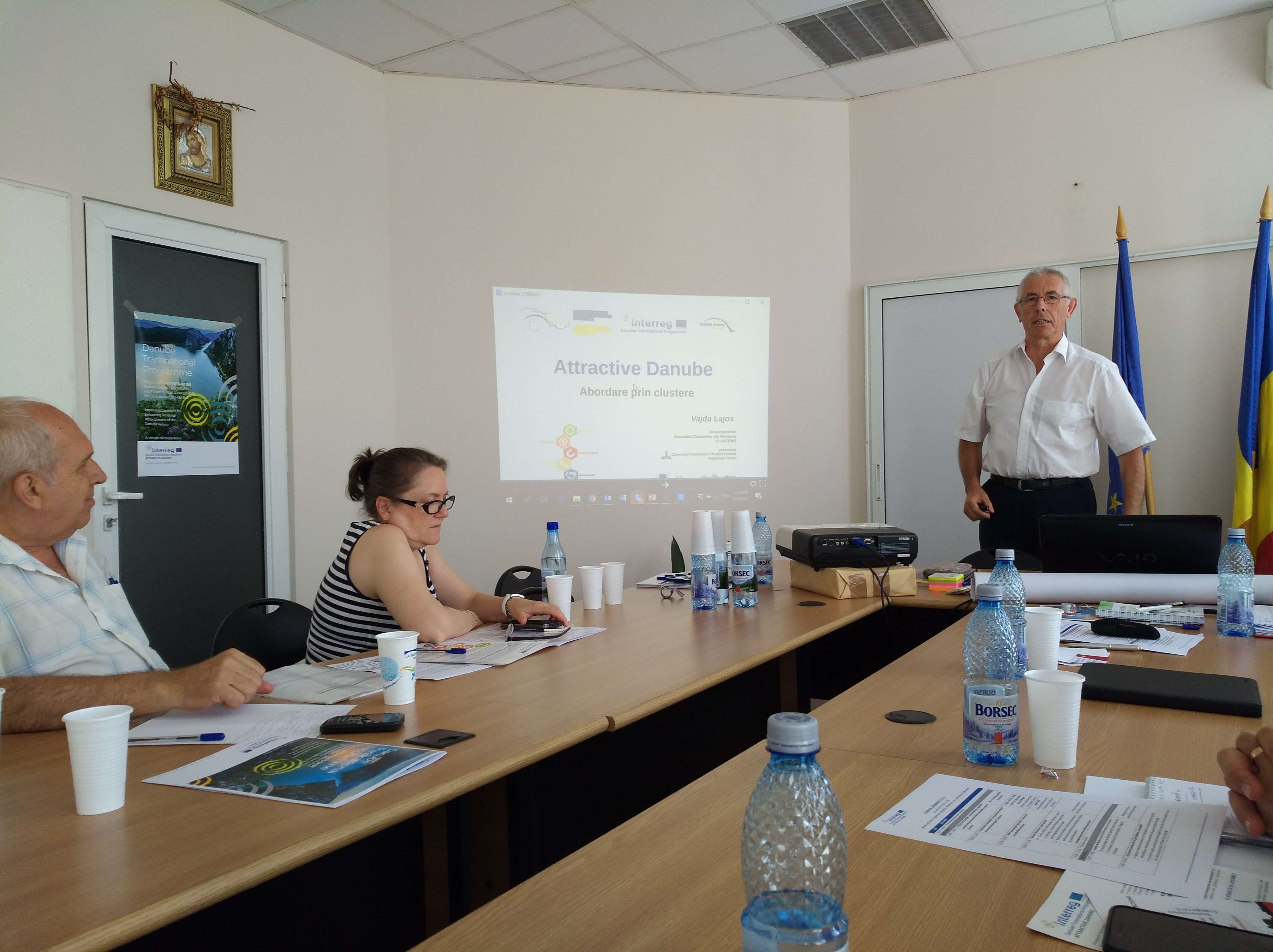
  3. Attractive Danube – the Cluster Approach, Mr. Vajda Lajos, Vicepresident of the Romanian Clusters Association
  4. FULL MEETING MINUTES

URBASOFIA

ATTRACTIVE DANUBE – INVITATION TO THE ROMANIAN NATIONAL WORKSHOP

The transnational project “ATTRACTIVE DANUBE – Improving Capacities for Enhancing Territorial Attractiveness of the Danube Region” deals with the topic of territorial attractiveness of the Danube Region and the specific elements of potential that make up this region of Europe.

As a key partner of the ATTRACTIVE DANUBE project, URBASOFIA initiates an open, active and constructive dialogue with all relevant actors and decision-makers involved in the process of substantiating and elaborating planning and territorial development policies to define the key elements of territorial attractiveness in Romania. This dialogue consists of three workshops that will run from June to December 2017. The final objective of these workshops is to define at Romania level the set of key indicators that can define and monitor the territorial attractiveness of our country within the transnational territory of the Danube Region.

In order to initiate the dialogue on the definition of territorial attractiveness indicators in Romania, URBASOFIA, with the support of the Urban Register of Romania, invites you to participate in the first Romanian National Workshop of the ATTRACTIVE DANUBE project, which will take place on Thursday 29 June 2017, at the headquarters of the Urban Register of Romania, Strada Tudor Arghezi 21, Bucharest, starting at 14:00.

In case of your interest, please confirm your participation by Monday 26 June 2017 at the e-mail address sabina.leopa@urbasofia.eu or at the phone number +40 0773 702 216.

Strategia Integrată Metropolitană Cluj, la Conferința Urban Concept 2017

În cadrul ediției a XVII-a a Conferinței Naționale Urban Concept, care a avut loc în perioada 9-11 martie 2017 la Hotel Mara din Sinaia, am avut ocazia să prezentăm rezultatele procesului de elaborare a Strategiei Integrate de Dezvoltare Urbană (SIDU) pentru Zona Metropolitană Cluj-Napoca. Prezentarea, cu subtitlul „Mai mult decât norme”, oferă o perspectivă critică asupra dificultăților și barierelor administrative și metodologice în calea planificării integrate la nivelul orașelor reședință de județ și a zonelor metropolitane.

Dorim să mulțumim pe această cale organizatorilor, pentru o conferință foarte interesantă, singura la nivel național care a reușit până acum să adune în mod constant împreună specialiști și factori de decizie locali și naționali într-un număr atât de amplu, pentru o discuție profesională pe marginea unei teme atât de importante cum este dezvoltarea urbană.


ATTRACTIVE DANUBE: A new project for strengthening multilevel governance

Starting January 2017, we have a new and challenging project to work on: Improving Capacities for Enhancing Territorial Attractiveness of the Danube Region (ATTRACTIVE-DANUBE). 

The main project objective is to strengthen multilevel and transnational governance and institutional capacities of policy planners involved in territorial development of the Danube Region, which will result in more harmonised governance system of the area. This will be achieved by firstly establishing a permanent common transnational platform for monitoring territorial attractiveness (CO-TAMP), 11 national platforms (TAMP), and Territorial attractiveness atlas. Secondly, we will implement an intensive capacity building programme for empowering multilevel public authorities and civil society in 11 countries related to development planning resulting in enhanced skills and knowledge. Finally, the policy integration process, including transnational workshops, policy recommendations and memorandum of understanding, will capitalise the results and assure the long-term impact and leverage effect in the society.

As leaders of the Work Package 5, we have had our first Quality Management Board meeting in Ljubljana in January, and the Kick-off meeting in beautiful Prague, in February, which was co-organized together with the National Czech and Slovak INSPIRE Conference. 

The event was held from 14th to 15th Feb. 2017 at the Park Inn Hotel, Prague, Czech Republic. The main theme that each presentation contained significantly more than before, was a blend of sustainable development, at local level – within municipalities, cities and regions.

Both days of the conference were attended by 120 people from 10 European countries, mainly from central and Eastern Europe. The first day took place entirely in English; this was due to the participation of the project partners. The second day alternated between presentations in the Czech and Slovak language. The event had the support of the European Commission – the speakers were made-up of representatives of the European Commission and JRC – European Commission Joint Research Centre.


On the second day, within the contributions of the INSPIRE conference a series of stimulating information materialized, how various data (not just that collected within INSPIRE), contribute to a better functioning of the office and in raising public awareness; in short, towards making a city work better, so that it is more open to its citizens and so that the people living in it feel good. In this application, the data should be of good quality, accessible and ideally harmonized into one single form.  At the same time it is necessary to address how to handle and access large volumes of data, to correctly interpret the data, get the required information and make them available to the general public. Data published within the INSPIRE Directive can significantly help the whole process. Citizens themselves can be more involved in decision-making processes, or contribute to the collection of data – for this reason community projects are more increasingly being exploited.


YPLAN – Young Placemakers Initiative: The Book

YPLAN is a project co-financed by a grant from Switzerland through the Swiss Contribution to the enlarged European Union, which worked together with high school students in Bucharest and sensitized them to the significant role of public space in the life of communities and the city. After 20 project months, at the end of the project, we have co-organised the YPLAN – Young Placemakers Initiatve book launch, on December 14, 2016, at the Impact Hub Bucharest.

Through YPLAN, it was possible to realize small-scale urban transformation projects in four places in Bucharest involving students, volunteers, high-school students, researchers, professionals and local communities. The results, findings, but also reflections for the future are comprised in this very high-quality, 500-copy series of the Book, available upon request. 

The book, which presents the whole process, results, lessons learned and considerations related to research and policy, started a debate within the event on several vital topics for the city:

  • How to build upon this simple and concrete and succesful experience
  • How to re-generate and re-create the relation between residents and use of public spaces in Bucharest
  • How to realize 100 public spaces in Bucharest in order to bring back quality of life through small scale projects based on effective urban policies

In a time of big promises for urban transformations, this presentation was the occasion to have a sober and well-articulated discussion on how to begin to mend a simple relationship, based on concrete actions and policies, between the communities of Bucharest and the highly neglected public space. Re-discuss, even with the young people who have made this project possible, a different future for the ways of living and conceiving the public space in Bucharest.

capture

If you are interested in securing a hard-copy of the book, please contact us at sabina.dimitriu@urbasofia.eu (YPLAN Project Manager) and pietro.elisei@urbasofia.eu (Scientific Coordinator).


Towards the future

2016 was a very demanding year for URBASOFIA. We had to balance implementation of projects and design of new proposals, we felt the effort of our first lustrum. It was a year for closing many interesting chapters: Projects on the Framework Programme 7, on the Swiss-Romanian Grants, Strategies and Plans, but also opening others. So this new year we, really start anew: novel challenges are already clear at the horizon for 2017 – and we look forward to them with the confidence that this past year helped build.

Alongside our already usual commitments with Strategic Planning and Urban Policy Design, we are facing at beginning of 2017 the “kick off” of the new EU-financed projects, where URBASOFIA is a member of strong and well-known international partnerships. The first, financed within the framework of the Danube Transnational Programme, will be ATTRACTIVE DANUBE: an ambitious project facing the issue of “strengthening multilevel and transnational governance and institutional capacities of policy planners involved in territorial development of the Danube Region”. The second project we are going to start next year is ROCK, a Horizon2020 SC5 aiming at transforming historic city centres into Creative and Sustainable Districts.

We would also like to share with you the latest news in the main design actions we are coordinating, especially in the area of the Danube Transnational Programme (DTP). Here, we are currently working on the design of proposals facing the issues of:

  • Cultural Heritage-driven Territorial Development (our new ISTER Proposal: ConnectIng hiSTorical Danube rEgions Roman routes),
  • Creating territorialized development models and operational tools for integrated and sustainable development, based on local social innovation potentials (this proposal is called AGORA: Assessing Governance Options for Revitalising urban Areas)

If you are interested in joining these 2 proposals promoted by URBASOFIA do not hesitate to contact us for a discussion or simply to share your ideas on these topics. We are still in the phase of partnership creation and are open to involve creative and effective people and ideas.

In the same context of the DTP we are collaborating with our Dutch Partner Eurodite in two other proposals: HARVEST (Helping Danube Areas in Revitalising Vine’s Entrepreneurship, Spirit and Tourism) and OPEN CASTLE (Organising Policies, Exploitation and Networks for Danube Castle Regions). The invitation for all creative actors stands here as well – contact us if you are interested in developing the topics and joining the partnerships.

Last but not least, we are collaborating together with an important Italian research centre the design of a proposal in the realm of the H2020 Call “Demonstrating innovative nature-based solutions in cities” (SCC-02/2017). Likewise, we are looking for partners, especially interested cities, both as drivers and followers.


In closing, we would also like to turn our gaze back for a second and thank our partners and friends for the great collaborations we had this past period. You have once again demonstrated that a good partnership is the bedrock for any successful project – and this is what we are aiming at continuing, with our new proposals.

To all in our URBASOFIA Network, we wish a wonderful Christmas time, and an absolutely elevating New Year!


Dr. Pietro Elisei, URBASOFIA Director
PhDc. Sabina Dimitriu, Manager of EU projects

new-years-eve-1664737_960_720


2016 – Laying the foundations for a coordinated and collaborative urban development in the next decade

The year 2016 has been an enthusiastic one for urban and regional planning professionals across the world.

At global level, urbanization is recognized as one of the 21st century’s most transformative trends. Consequently, the draft of the New Urban Agenda was adopted during the Habitat III Conference which took place in Quito in October 2016. With the concentrations of people and economic activities in cities posing massive sustainability challenges, the UN has agreed on three transformative commitments for sustainable urban development, regarding: (1) social inclusion and urban poverty, (2) urban prosperity and opportunities for all, (3) environmentally sustainable and resilient urban development. As far as the effective implementation of the New Urban Agenda is concerned, a key role will be played by the urban governance structure, seen as the supportive framework for integrating all sectoral interventions. The planning and management of urban spatial development is the second pillar for the effective implementation of the New Urban Agenda, with the United Nations underlining the importance of effective planning for urban development.

The correlation with the urban dimension of the global sustainable development goals agreed in 2015 is evident. The expertise of spatial planning professionals is thus recognized as a core element in achieving sustainability at global level and ensuring the improvement in quality of life for all people.

At EU level, the Pact of Amsterdam (June 2016 – establishing the Urban Agenda of the EU) represents the link with the UN Habitat III initiative. The Urban Agenda of the EU aims to support Urban Areas in achieving the objectives of the Union, focusing on three main pillars: Better regulation, Better funding and Better knowledge. At the core of the EU Urban Agenda lies the principle of integrated approach for sustainable urban development, with twelve priority themes and eleven cross-cutting issues (including effective urban governance, sound and strategic urban planning, Smart Cities innovative actions and opportunities for small and middle-sized cities).

These cross-cutting issues represent areas of interest where we, at Urbasofia, have developed several projects in recent years. The EU approach of fostering EU-wide partnerships for each of the twelve priority themes is similar to our view of spatial planning as a governance-centred activity relying on close cooperation between all stakeholders involved in order to achieve horizontal and vertical coordination between sectoral policies.

It seems that 2017 will be an interesting year for planning professionals. We wish you a Happy New Year filled with innovative ideas and fruitful collaborations!


Dr. Matei Cocheci, Content Manager