Deprecated: Optional parameter $list declared before required parameter $submit_text is implicitly treated as a required parameter in /home/rcpwqhpx/public_html/wp-content/plugins/yikes-inc-easy-mailchimp-extender/public/helpers.php on line 14
News – Page 5 – Urbasofia

1stTRAINING SEMINAR. AGORA

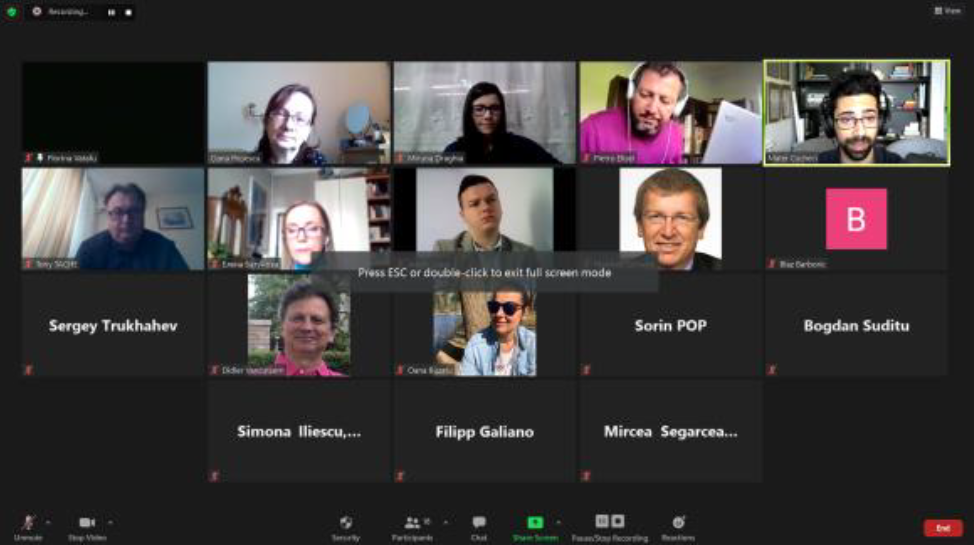
Sharing a first insight into the activities developed within the AGORA project: TRAINING SEMINARS. AGORA’s first Training Seminar took place on the 29th of October via zoom. The training was devoted to the presentation of the project’s areas for urban regeneration, and thematic clusters, in addition to the guidelines for developing the state of the art analysis of partner cities.

“AGORA areas and thematic clusters with best cases” presented by Serin Geambazu (Urbasofia)
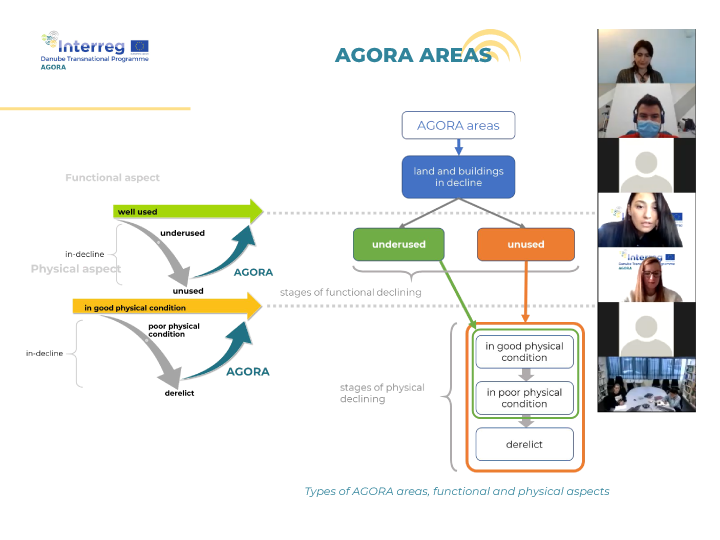
Opened the seminar, giving terms & definitions to territorial partners. These definitions are going to be used within the project implementation in order to have a common AGORA dictionary and background. Here, the three thematic clusters and the methodologies with which they have been analyzed were also presented. These thematic clusters are: Large-scale post-industrial land; Unused/ Underused buildings; Unused/ Underused areas as public spaces potential 
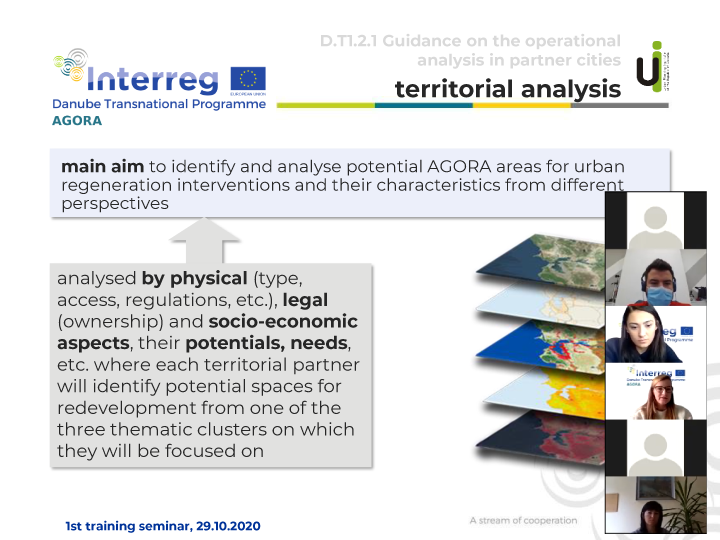
Operational analysis, best cases and stakeholders “presented by Barbara Mušič (Urbanistični inštitut Republike Slovenije) Introduced guidelines, objectives, and the structure of the project’s operational analysis. The guidance will be shared with all the partners and will accompany all the cities throughout their process of regeneration agendas’ implementation. Tools, policy instruments, master plan instruments, were provided to help each partner in their own territorial analysis.  

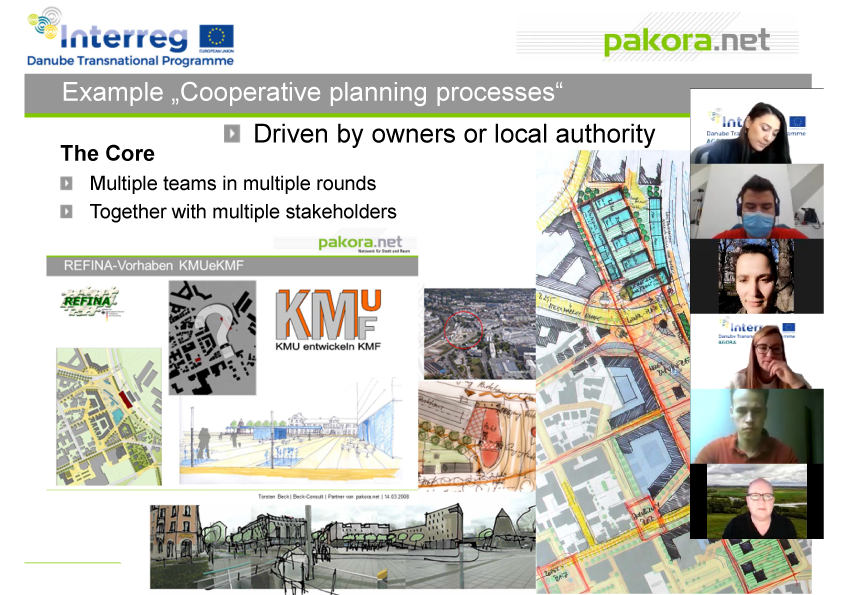
“AGORA approach to stakeholders’ involvement” presented by Torsten Beck (PAKORA)
Explained to partner cities the importance to have a good connection between formal and informal stakeholders as well as the relevance of timing; stakeholders have to be involved from the beginning of the project but not too early in order to have already a methodology for their involvement and clear ideas about the objectives of the project. 
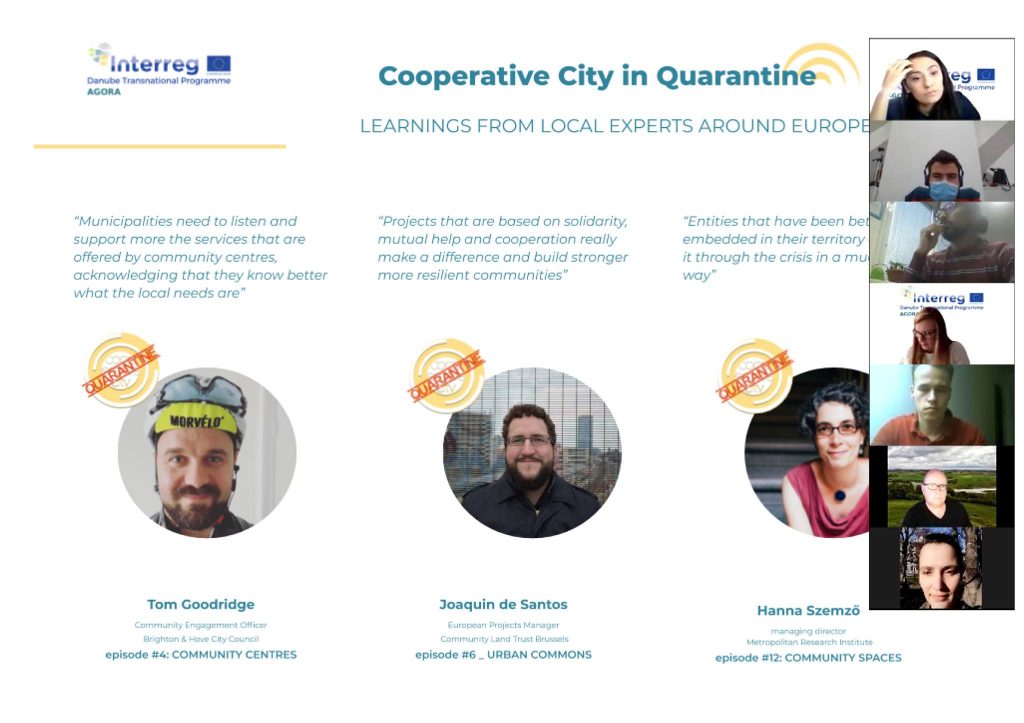
AGORA and Covid – Community spaces in times of pandemic “presented by Jorge Mosquera ( Eutropian )
Here EUTROPIAN shared some learnings from its weekly webinar during the quarantine, where its team was discussing with international guests about community spaces and centers and how to better build and exploit them during and after this pandemic situation. Furthermore, some examples of policies and initiatives started during quarantine, especially in Italian areas, were shown highlighting the use of an open approach to re-use and adaptation through new and innovative tools to cope with the crisis. 
“AGORA platform – requirements and functionalities” presented by Liviu Purtator (CLUJ-NAPOCA Municipality)
A final part of the seminar was dedicated to the policy learning platform and a discussion on how it will be built. Lead Partner Cluj-Napoca Municipality plans to use the existing Cluj-Napoca platform “Refill” (www.clujrefill.ro) to develop the new AGORA platform. The aim is to create a collaborative platform that can respond to the necessities of different target groups (citizens, municipalities, private companies). To do so, every partner’s feedback will be collected through a questionnaire.  
CRISALIDE news from 2020

February 2020

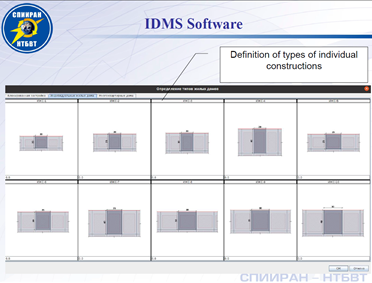
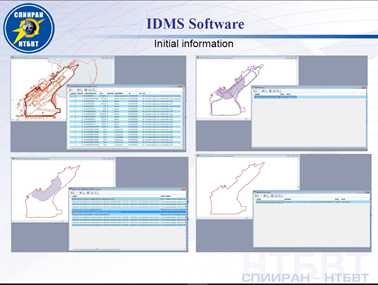
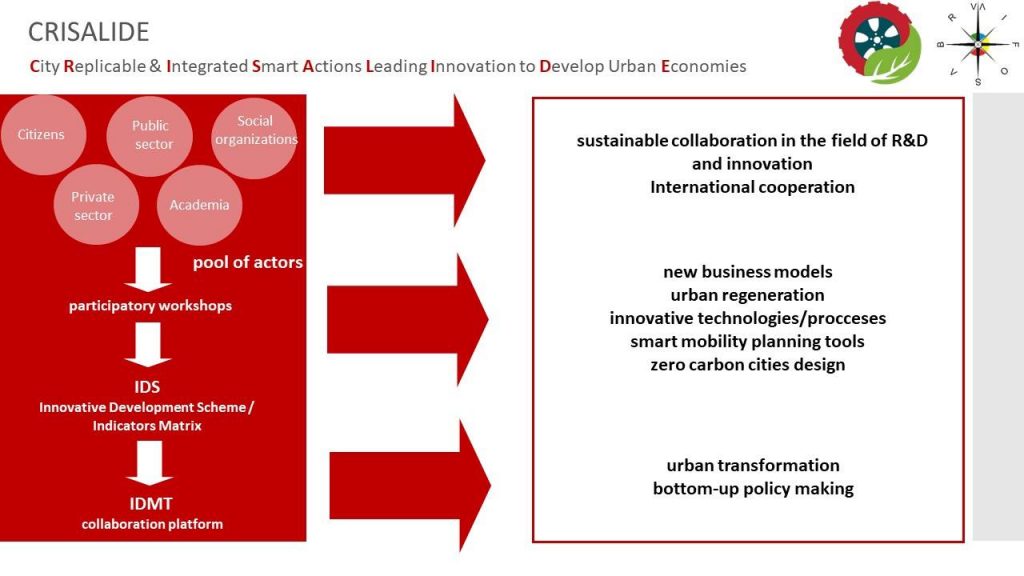
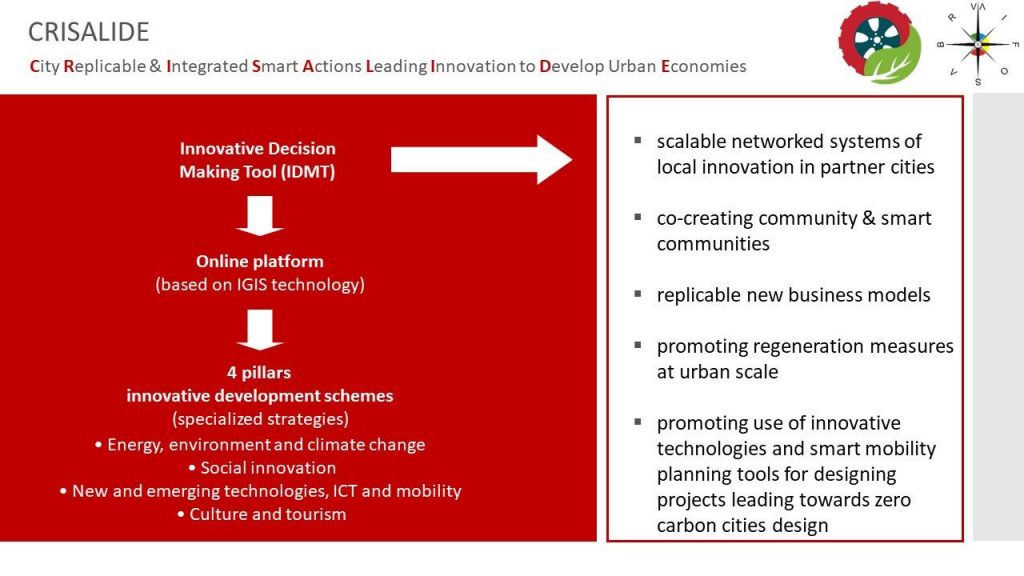
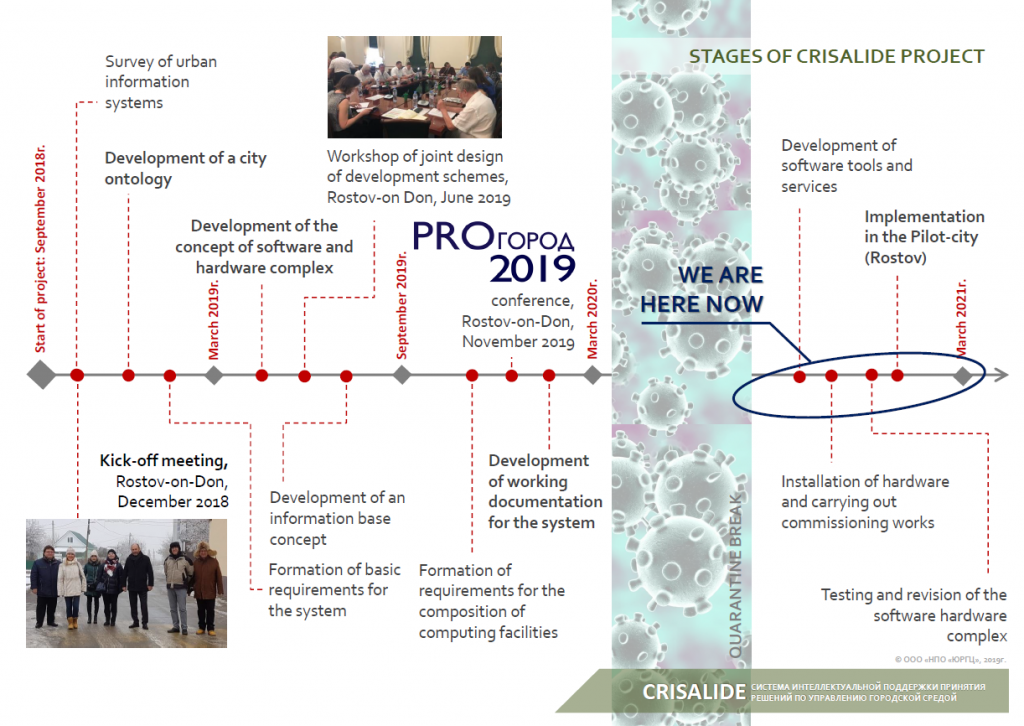
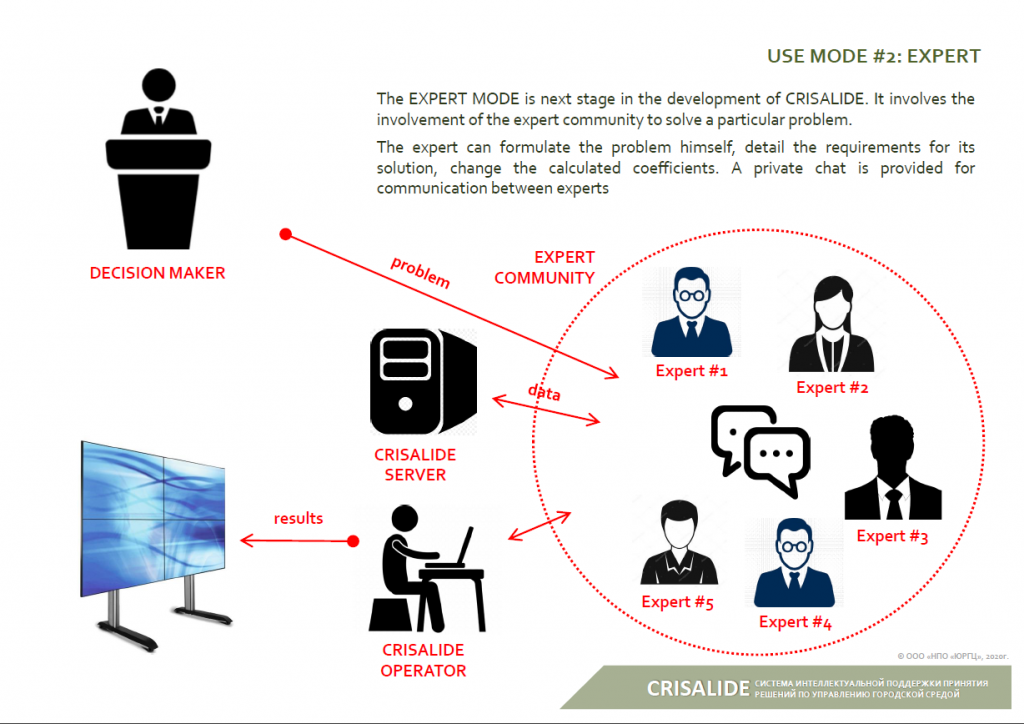
In 2020, CRISALIDE project partners will focus their efforts on delivering the prototype of the IDMT, an Innovative Decision-Making Tool, aimed at facilitating not only interdepartmental and inter-institutional cooperation, but also the participatory planning process in relation to urban development. The Intelligent Decision-Making Support System for City Environment Management is developed by SPIIRAS Hi-Tech Research and Development Office Ltd., located in St. Petersburg, Russia. The tool includes four main functionalities, such as: 1. Integrated territory development2. Spatial redevelopment3. Assessment of availability of services on the territory under development4. Distribution of new services on the territory under developmentStay tuned for more details about this new tool! By the end of 2020, a replication guide will be available for those interested in testing and adopting this type of product.https://www.crisalide.international/#crisalideproject#innovativedecisionmakingtool#spatialplanning#evidencebased#urbandevelopment

Este posibil ca imaginea să conţină: text care spune „CRISALIDE City Replicable & Integrated Smart Actions Leading Innovation to Develop Urban Economies PROJECT CO-FUNDED BY: https://www.eranet-rus.eu/ Net RUS Plus”

June 2020

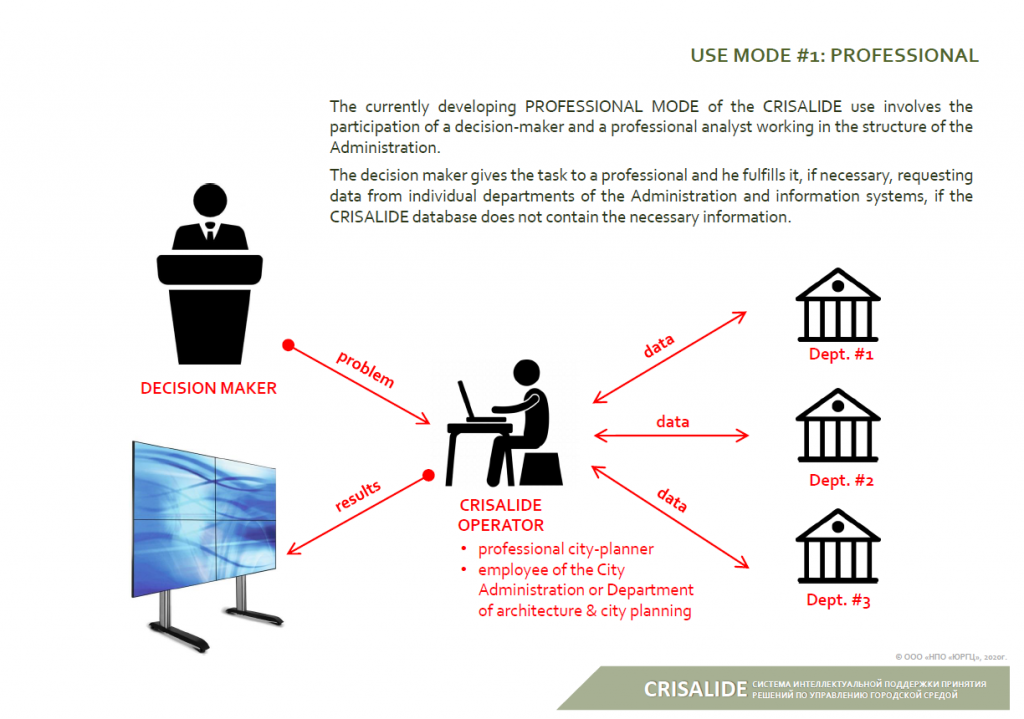
URBASOFIA is going full speed in conducting the replicability study of the Innovative Decision-Making Tool (IDMT). One of the objectives of the CRISALIDE project is that once the IDMT instrument is developed, awareness should be raising, and the tool could easily cross the borders of the pilot city (Rostov-on-Don, Russia) and be transferred to other urban contexts. Therefore, URBASOFIA is providing know-how on scoping the possibility of replication in other territorial contexts, through a guide that addresses the principles of replication and adaptation. This replication guide goes beyond the technical perspective and provides also insights into the process that lays behind its development and piloting, discussing how to operate with the IDMT platform.Stay tuned to find out what does the replication process entail!https://www.crisalide.international/#crisalideproject#innovativedecisionmakingtool#spatialplanning#evidencebased#urbandevelopmentSource of images: SPIIRAS Hi-Tech Research and Development Office Ltd, St. Petersburg, , Russia

September 2020

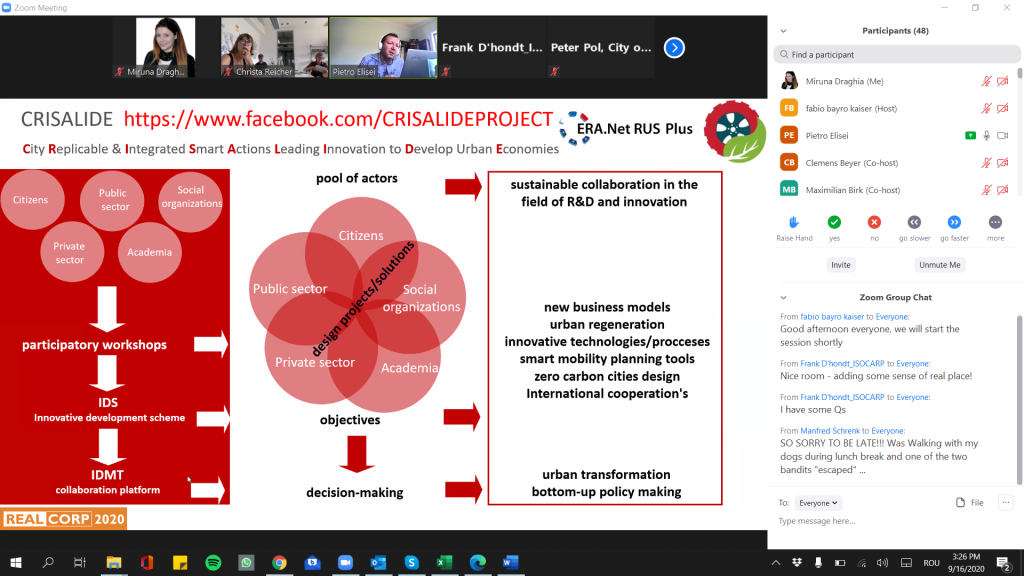
On the 16th of September, URBASOFIA participated at the REAL CORP – International Conference on Urban Planning and Regional Development in the Information Society, entitled SHAPING URBAN CHANGE: LIVABLE CITY REGIONS FOR THE 21st CENTURY, with a presentation on the Decision Support System Design as a Method to Enhance Public Participation in Urban Development: The CRISALIDE Project. The presentation was focused on the implementation process of the CRISALIDE project, starting from the initial phase of developing and testing a methodology for effectively and efficiently running a participatory planning process capable of grasping the local territorial demand coming from citizens and stakeholders in the pilot city of Rostov-on-Don. The presentation also touched upon the subject of the development of a smart platform, driven by intelligent GIS technology, aimed at shaping the local decisional environment towards smart design and land use planning.https://www.crisalide.international/#crisalideproject#innovativedecisionmakingtool#spatialplanning#evidencebased#urbandevelopment#REALCORP#conference#shapingurbanchange

November 2020

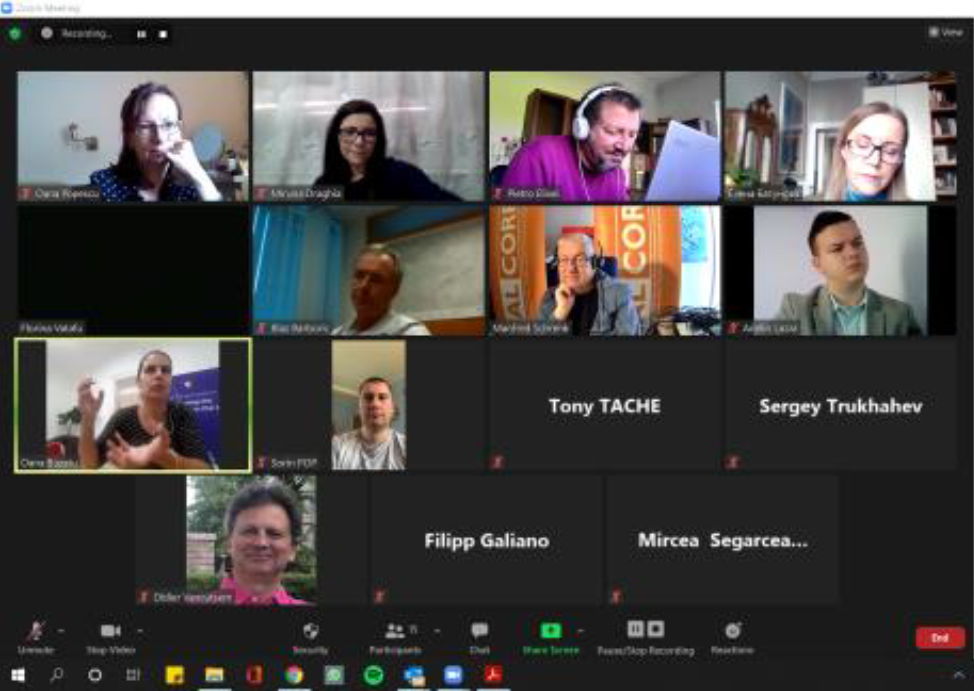
On the 17th of November 2020, CRISALIDE partners URBASOFIA & URBAN INCD INCERC have organised a Virtual workshop on the Innovative Decision-Making Tool and its Replication Modalities. The meeting was organized as a Focus Group and it was part of the last phase of CRISALIDE project as a capitalization event of the project results. The discussions were focused on the Innovative Decision-Making Tool (IDMT) developed by project partners and the modalities of this model’s replication. The purpose of the virtual workshop was to bring together specialists from various fields, such as public administration, IT, geodesy, geography, urbanism, holding expertise in developing and implementing decision-making tools in territorial planning activities at national or local levels.Among the focus group conclusions, participants agreed that a tool such as the IDMT is crucial for a successful management of territories and in monitoring strategies, through its GIS component and the related database; is integrating, in a flexible way, different information from different departments and is putting together different stakeholders and last, but not least, it can overcome barriers of communication between the main institutions, urban stakeholders and the local government of the city, encouraging a democratic participation and governance.Stay tuned for finding out more about the IDMT prototype!https://www.crisalide.international/#crisalideproject#innovativedecisionmakingtool#spatialplanning#evidencebased#urbandevelopment#capitalisationevent#focusgroupSource of images: Southern Urban Planning Centre, Rostov-on-Don, Russia

SPIRE WEBINAR – Post-Industrial Cities and Green Economy

We just had the first webinar of a set of five. The topic we tackled was Post-Industrial Cities and Green Economy, a thematic subject that concerns Baia Mare and SPIRE project. 
As panel speakers, we had some very inspiring people, that are working in the related domain: Raffaele Barbato (Urban Innovative Actions), Pietro Elisei (UIA and URBACT Expert), Luigi Iannitti and Valerio Manelfi (RESET), Sabina Leopa (Urbasofia). Some of the topics we discussed: the important role of experimentation and knowledge transfer/ the state of industrial cities and its opportunities /shift towards a more environmentally friendly behavior/ sustainable green energy value chains/ Baia Mare state of pollution against SPIRE ambition and objectives. The discussion is an engaging one, with a focus on innovative and creative solutions for the future of post-industrial cities. SPIRE Baia Mare has the objective of enabling urban, social, and economic regeneration.  Check the full recorded webinar below and stay in tune for the next one on 3 Nov Rethinking Participation and Co-Creation in Times of Social Distancing.

Watch the full webminar below:

Our webinar today was extraordinary and this is thanks to the speakers, the participants in the discussions and all of…

Publicată de SPIRE Baia Mare pe Marţi, 20 octombrie 2020

Build-in-Wood: 1st Early Adopter City Workshop in Copenhagen

How can we start using more timber in urban environments to provide sustainable and affordable housing to our citizens?

The second workshop in the Build-in-Wood project, coordinated by Urbasofia and project leader Danish Technological Institute, focused on this key question.

After the in-depth analysis of the contextual city questionnaire and over 15 local stakeholder questionnaires, Urbasofia (as work package leader) developed the concept for Copenhagen’s first Early Adopter City workshop: shedding light on challenges, possibilities and the path for more sustainable urban construction. The city of Copenhagen is the second one in the project to host their workshop.

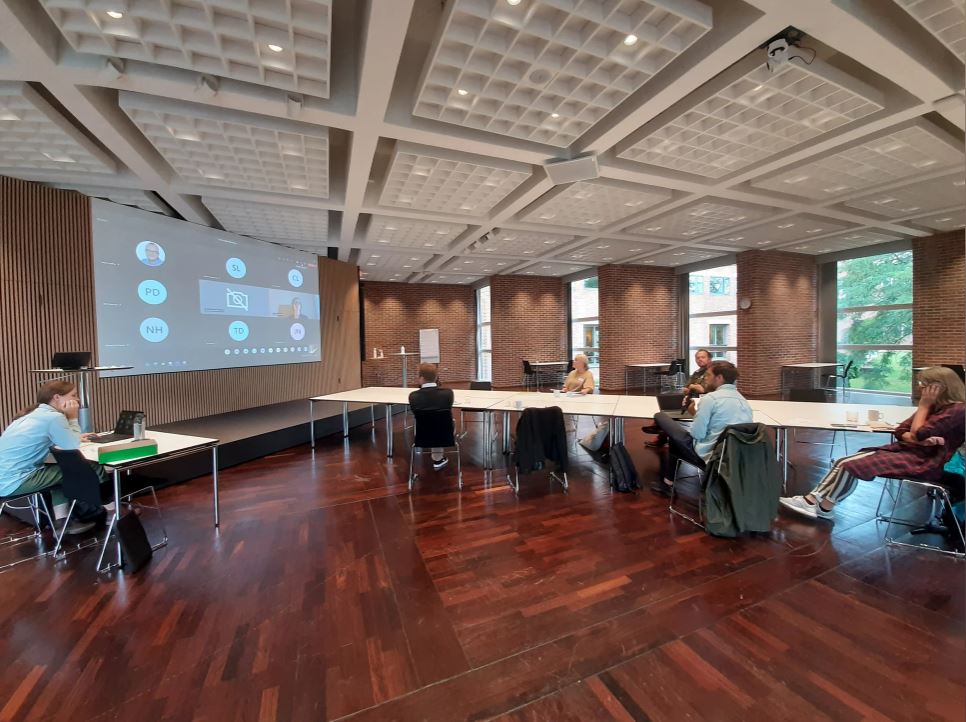
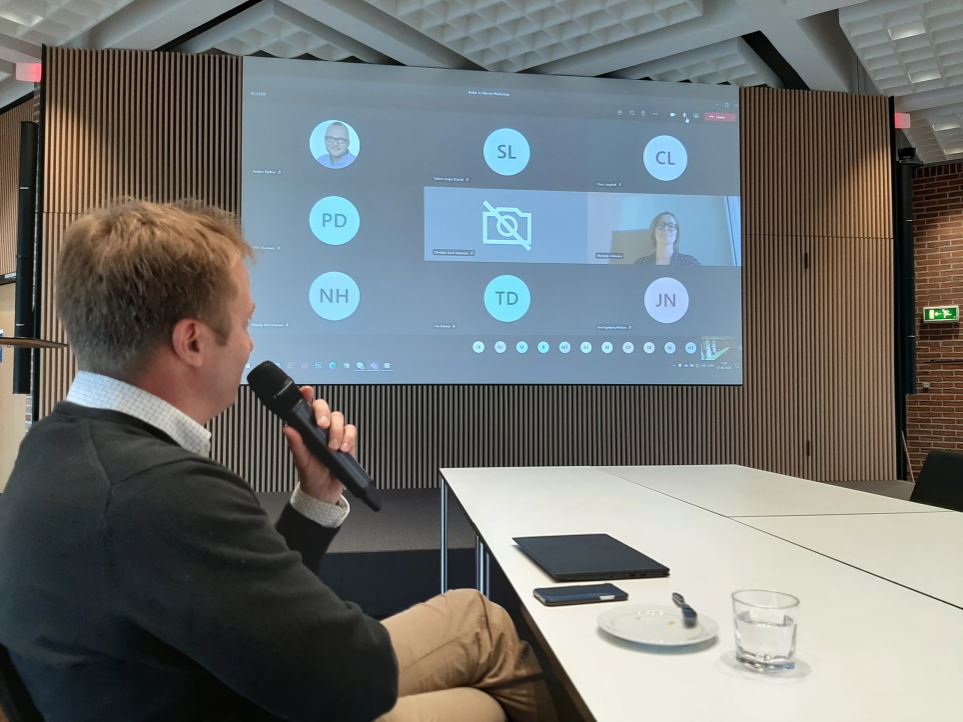
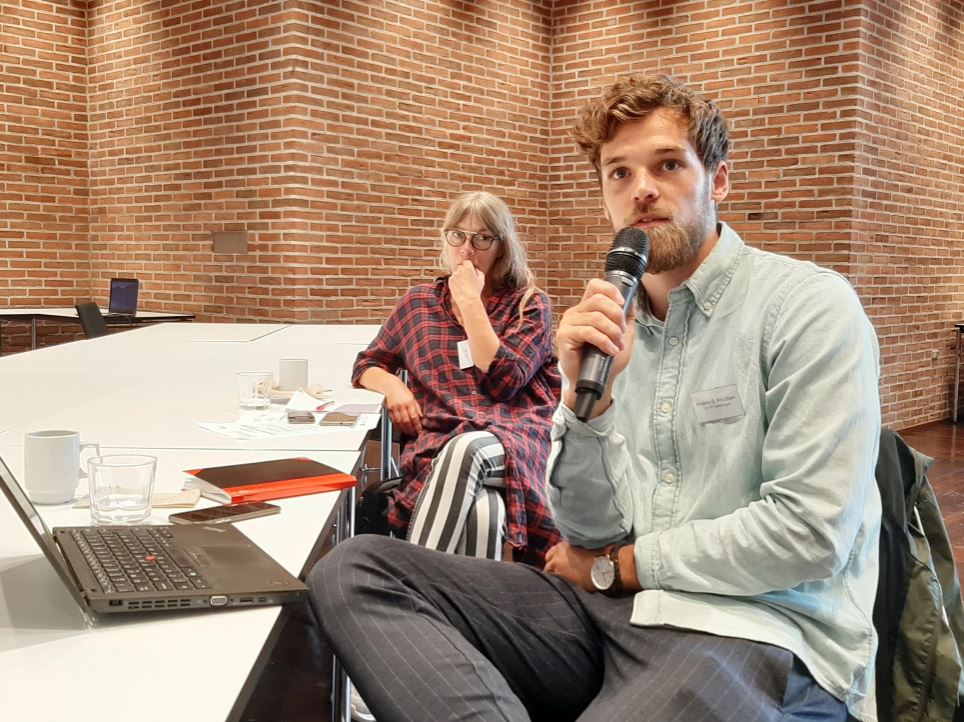
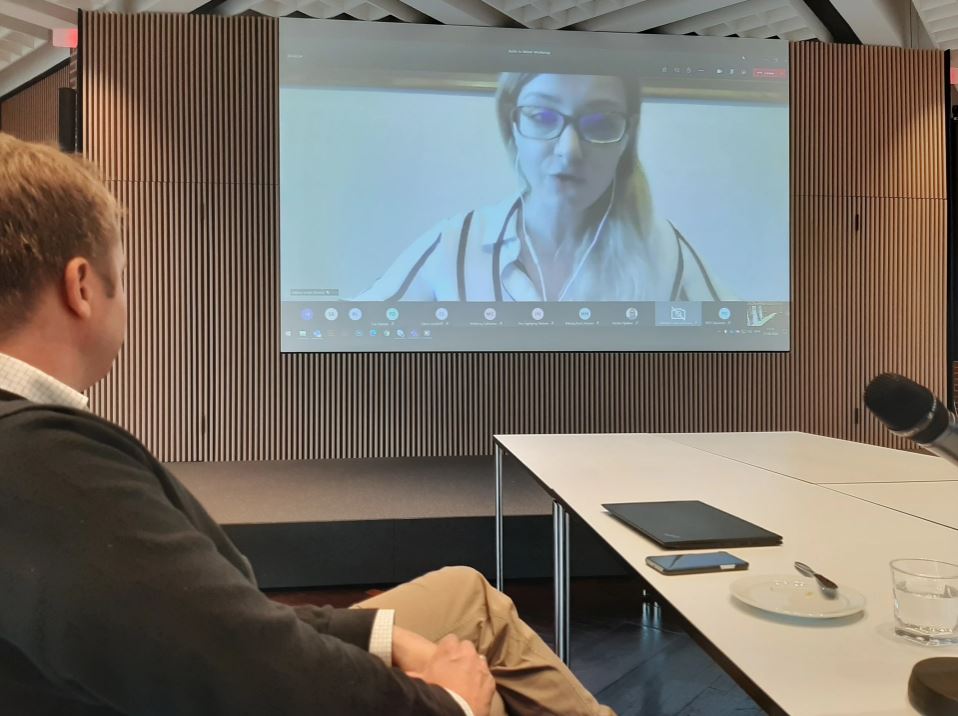
Altogether about 30 people took part in the workshop (7 attendees in person at DTI headquarters + over 20 attendees digitally via MS Teams). The workshop was divided into various sections, including:

  • the presentation of the Build-in-Wood project by Anders Kjellow from DTI
  • Catharina Winberg from the city Counsel of Växjö in Sweden speaking about how they managed to achieve a “timber” rate of 48% in 2020 in all new public construction
  • Representatives of the City of Copenhagen, explaining current climate initiatives and the city’s goal of achieving climate neutrality by 2025
  • Inputs and discussions guided by Sabina Leopa from Urbasofia, open discussion and Q&A

Sabina Leopa addressed a general issue we keep facing regarding acceptance and regulations of timber construction:

“You need a critical mass in order to convince people. But you need to convince people, in order to get a critical mass.”

The official workshop with presentations was followed by an open discussion between:

  • Project Coordinator DTI
  • By & Havn
  • the Danish Transport, Construction and Housing Authority
  • KAB Bolig
  • the City of Copenhagen

The conclusions will inform the next steps in co-creating a more sustainable, more wood-oriented agenda at local level.

Beyond Smart Cities. What about Emphatic Cities?

A REFLECTION ON THE DEVELOPMENT OF THE RELATIONSHIP BETWEEN MAN AND THE CITY

Written by

Natalia Onesciuc – Urban and Landscape Planner, Junior Manager of EU Projects at URBASOFIA S.R.L

Cities are increasingly becoming places most people are trying to survive in, fast changing environments they try to cope with through different mechanisms. The human scale is slipping through our fingers, at both physical and intellectual level. Cities are growing bigger and faster while seeking efficiency instead of purpose. In this context we are posing the question: what are the real, most pressing and profound human needs and how can cities contribute? How can cities soften stress, loneliness and a painfully increasing lack of sense that people is sensing? How can we shift from efficient cities to empathic and inclusive cities?

The smart city concept puts technology at the core of urban development models, as a bridge between people and places. Right, wrong? We would say not right enough. Technology has become part of our life and we cannot ignore it, but is it part of everyone’s life? Should it be, and if yes, to what extent? Empathic cities would pay more attention about people but in a more profound way, not only giving them support and instant solutions, while also making them more vulnerable in case of a collapse. Technology should make people stronger and more prepared, it should be a learning instrument instead of a coping instrument. We should reconsider how does technology assure resilience, in terms of people-city and people-people relationships.

The emphatic cities we, as urban planners, have the moral responsibility to plan for the citizens, will look at the challenges cities are facing in a both pragmatic (as it is in the present) and sensitive way, while focusing on societal challenges, rather than only urban challenges of the future. It will foster inclusiveness. It will make sure that more bridges will be made between people (citizens and professionals) in order to develop the city and its digital canvas in a more meaningful and inclusive way. It will look at the actual evolution trends, and not only at the desired ones! Cities are facing a lot of issues, and while a slight minority are enjoying a flourishing development, most of them are not even close. In a shrinking city, region or country, with aging, poverty and unemployment issues, to what extent is technology an enabler and not an inhibitor?

ROCK project – Highlights of 2019

Cultural Heritage regeneration remains an open issue in the urban policies and practices, the current discourse struggling between protection/ preservation and valorisation in a sustainable way. In this light, ROCK project envisions Cultural Heritage as a common good, opening various perspectives to investigate its potentialities for leading urban transitions and regeneration/ transformation processes.

2019 has been very intense in terms of activities implementation for reaching out the envisioned results and innovations in the context of cultural heritage regeneration, relating to technological tools as process enablers. In short, ROCK has been represented by URBASOFIA at the following international events:

• Placemaking week in Valencia, Spain – tackling the topic of Heritage building stronger communities (https://placemakingweekeurope.sched.com/event/) and looking at how cultural heritage can be used as a placemaking tool in different urban contexts.
• Changing Cities IV conference in Chania, Greece – responding to a pre-organised session invitation entitled Smart adaptation. Modernistic heritage for sustainability of the future and highlighting a particular ROCK case study of industrial heritage adaptive reuse in Eindhoven, Strijp-S area (https://changingcities.prd.uth.gr/).
• Replication workshop in Lisbon, Portugal – a ROCK labelled event, opened to a wider cities’ audience, where the innovative practice of Lisbon (the Interpretive Centre of Marvila and Beato – https://rockproject.eu/news/159/view) has been investigated in terms of transferability aspects of a participatory approach for collecting and disseminating local cultural heritage.
• Getting Cultural Heritage at Work in Kavala, Greece – focused on how to get Cultural Heritage work for the sustainable and inclusive development of the city, where ROCK has been presented as a best practice given the variety of practices and demonstration actions implemented in 10 creative and knowledge-based cities (https://rockproject.eu/news/212/view).
• EURAC 3rd International Conference in Bolzano, Italy – discussing a Data-driven approach for urban transformation of cultural heritage areas, with a comparative case study of Location-Based Analytics (given by Wi-fi sensors) for assessing crowd flow movement within the historic centres of two ROCK cities: Cluj-Napoca (Romania) and Turin (Italy) – http://www.sspcr.eurac.edu/.

Besides public appearances, ROCK has delivered a set of important deliverables, one particularly related to the Regulatory Framework, ROCK Procurement and Policy Recommendations (available here: https://rockproject.eu/), addressing 5 Overarching challenges (Governance, Protection rules, Capacities, Side-effects and Fragmentation) and proposing a set of Cross-policy recommendations (such as Decentralisation – Ensure multilevel governance platforms on local level, Equilibrium – Generate a balance of regulations and flexibility, Accessibility – Guarantee shared cultural heritage and fair use of public space, Integrative Approaches – Regulations to reconcile needs from both residents and visitors, Transversality – Support cooperation between cultural heritage and other sectors., Evidence – Ensure appropriate impact assessments in cultural heritage valorisation projects, etc).

Willing to find out more? Visit www.rockproject.eu and save the date of the ROCK Final Conference and Business Matching Event: 14-15 May 2020, Bologna (https://rockproject.eu/events/89/view). Stay tuned, registration will open in January 2020!

Brașov, Romania becomes first Early Adopter City

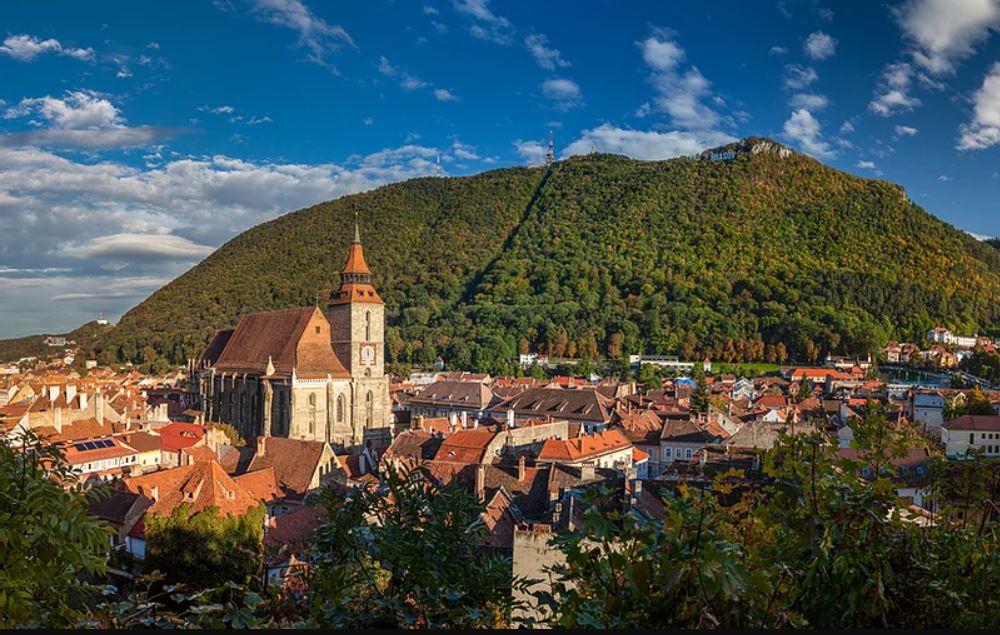
We are happy to announce that Brașov, 7th biggest city in Romania, has been elected as first Early Adopter City by the Build-in-Wood Consortium. Early Adopter Cities will be coordinated by URBASOFIA, with the scope of opening the dialogue on sustainable and green buildings with the policy and decision makers of Europe.

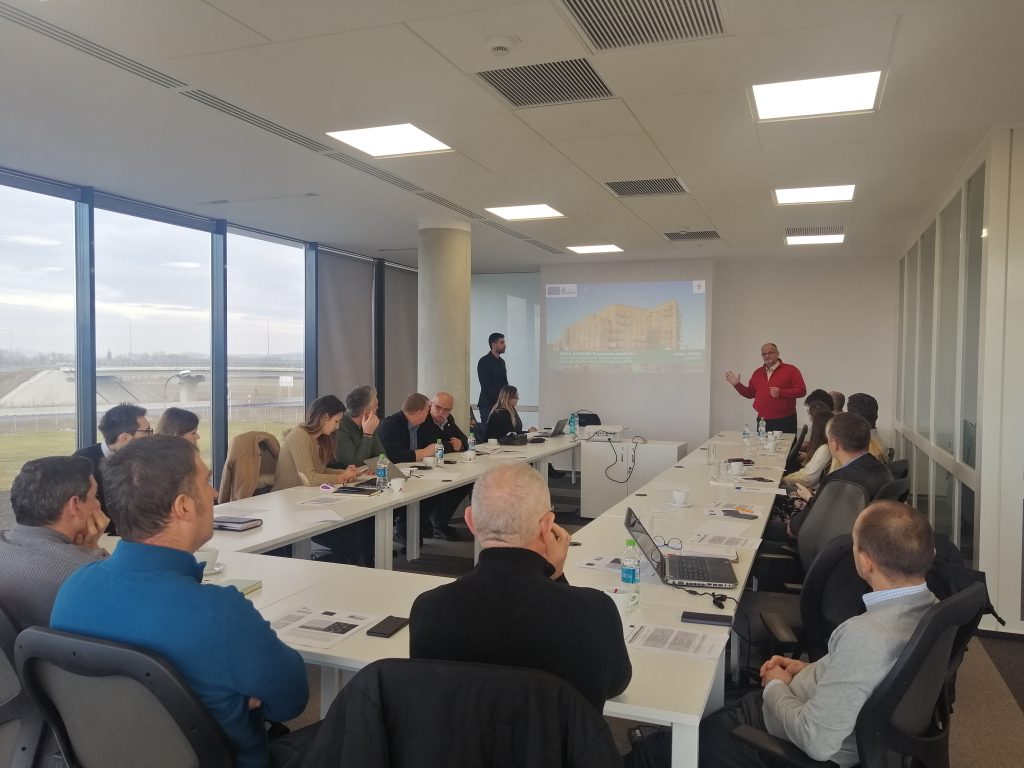
The first stakeholder meeting took place in Brașov, on the 12th of December. Organised by Agenția Metropolitana Brasov and Urbasofia, the meeting welcomed 27 participants covering the whole wood building value chain: from city administrations over universities and research institutions to training providers and of course professionals in the field of architecture. Everyone agreed:

We need more integration and cooperation to make tall wood buildings a widespread sustainable construction option.

The discussion was lively and productive. The set of three workshops will support the integration of tall wood buildings in the strategic development framework at metropolitan level, with the specific purpose of identifying concrete actions and financeable projects to enable tall wood building construction and retrofitting, as part of a larger climate adaptation and resilience urban strategy. In January 2020, AMB and URBASOFIA will send the participants an invitation to join the working group at local level, which will be active in creating the local added value chain.

The next meeting in Brașov will be planned in advance and agreed with the members of the working group during the year 2020. Apart from the three meetings planned through the BUILD IN WOOD project, the working group will meet whenever it deems necessary, the meeting space being made available by the AMB.

In the next 4 years, Build-in-Wood will improve the base case for wood constructing not only in Brașov, but also in five other European “Early Adopter” cities, that will be announced in the next year.

Conference EURAC 3rd International Conference in Bolzano, Italy

In December 2019, ROCK project has been presented by URBASOFIA at EURAC 3rd International Conference in Bolzano (Italy), entitled TOWARDS DATA-DRIVEN URBAN TRANSFORMATION OF CULTURAL HERITAGE AREAS.

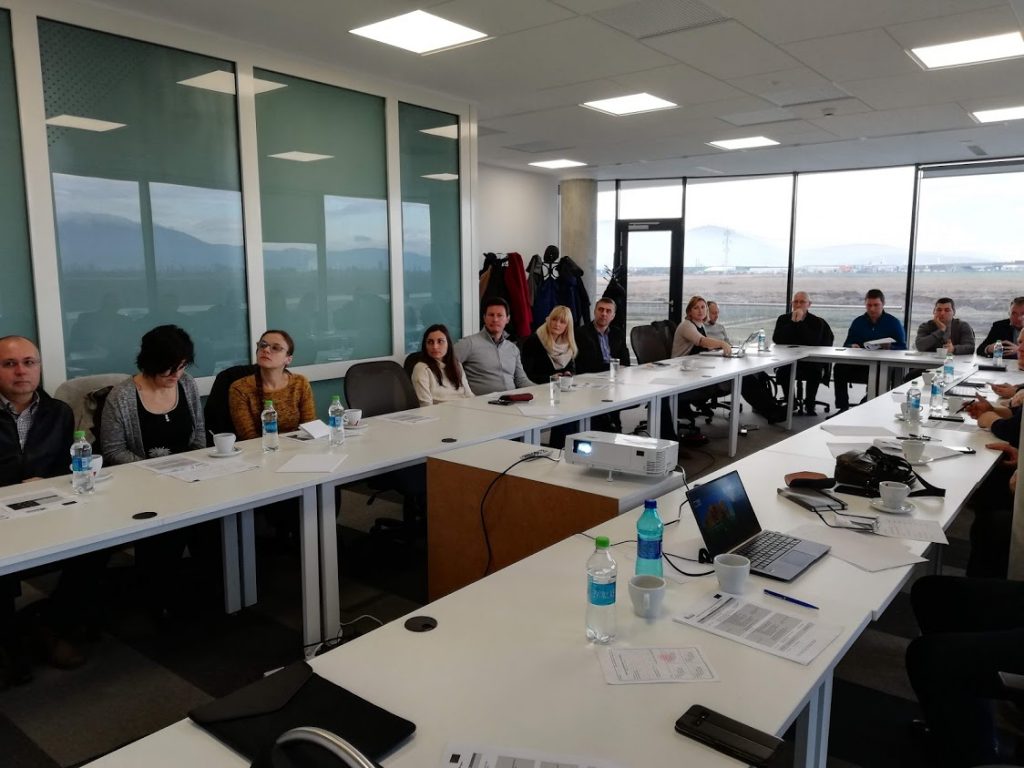
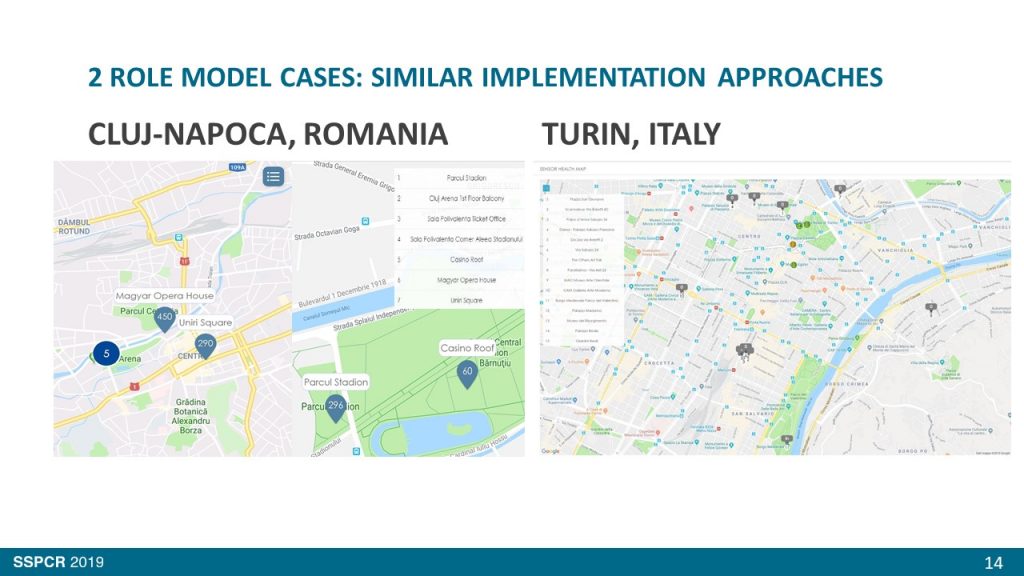
In respect to the conference topic, URBASOFIA has presented the particular case of two ROCK Role Model Cities: Cluj-Napoca (Romania) and Turin (Italy), addressing similar approaches related to the integration of technology for monitoring crowd flows in different CH locations and events in the city. Consequently, the presentation overviewed the collaborative and data-driven approach for progressive transformation of CH in creative and knowledge cities, generated by the impact of permanent and temporary actions. The presentation was hosted under the session Urban (Big) Data: Challenges for Information Retrieval and Knowledge Discovery.

  • For the case of Cluj-Napoca, data collection involves: visitors count per hour/ day; duration of the visit; mobility of visitors among city areas (specific target locations identified: museums, art fairs, crowded areas); new visitors vs returning visitors; main locations/ events: Central Park, Casino Building, Polyvalent Hall, Cluj Arena, Museums (areas with high no. of cultural events, dynamic people flows).
  • For the case of Turin, data collection is focused on: Visitors count per hour / day; Duration of the visit; Mobility of visitors among city areas (specific target locations identified: museums, art fairs, crowded areas); New visitors vs returning visitors; Main locations/ events: Contemporary Art Fairs Paratissima, International Book Fair, Museums and Palaces, Library, etc.

Finally, the presentation showcased a comparison of similar ROCK approaches implemented in two cities with different historical background, while following the same end goal of providing deeper knowledge on the actual and less self-evident situation of cultural heritage use and potentiality within the local community.

More information can be found here: https://www.sspcr.eurac.edu/thematic-tracks/


Follow us on:

Thematic Conference Getting Cultural Heritage at Work in Kavala

On the 4th of December 2019, URBASOFIA has been invited to present ROCK project at the event organized by the Municipality of Kavala (Greece), entitled GETTING CULTURAL HERITAGE WORK FOR KAVALA.

The event addressed the thematic of how to get cultural heritage work for a sustainable and inclusive development of the city. Cultural heritage was analysed in its twofold components, material and immaterial, and the concept was connected to the past, present and future realities in order to find new cultural identities. ROCK project was presented as a good practice of the Regeneration and Optimization of Cultural Heritage in creative and Knowledge Cities by Dr. Pietro ELISEI (URBASOFIA Managing Director). The presentation was aimed at highlighting the 3 key pillars promoted in ROCK: Accessibility, Sustainability and New Collaboration for a proper cultural heritage led urban regeneration. Furthermore, it showcased the particular case of Bologna, focused on the integration of new tools and technologies to enables the mentioned pillars.

Local experts introduced the general state of Cultural Heritage Led Development applied to the city of Kavala, demonstrating the vastity of its material and immaterial CH and analysing the Funding opportunities and former initiatives investing in this thematic that could represent a great opportunity for cities to valorise its heritage (Mayor’s advisor in EU Programmes).

Follow us on:

ROCK website https://rockproject.eu/news-events,

Twitter page https://twitter.com/ROCK_H2020 and

YouTube channel https://www.youtube.com/channel/UCCnqIJ9RBiLzBEta4cykn-Q